
This Potato and Cheese Pierogi recipe is a dream come true if you, like me, love carbs on carbs on carbs. Even better, it's a big batch recipe that freezes for up to 6 months, giving you a host of quick meals for days to come. Did I mention you only need 10 ingredients? And, at roughly $15 total for 12+ servings, it's as budget-friendly as it is delicious!
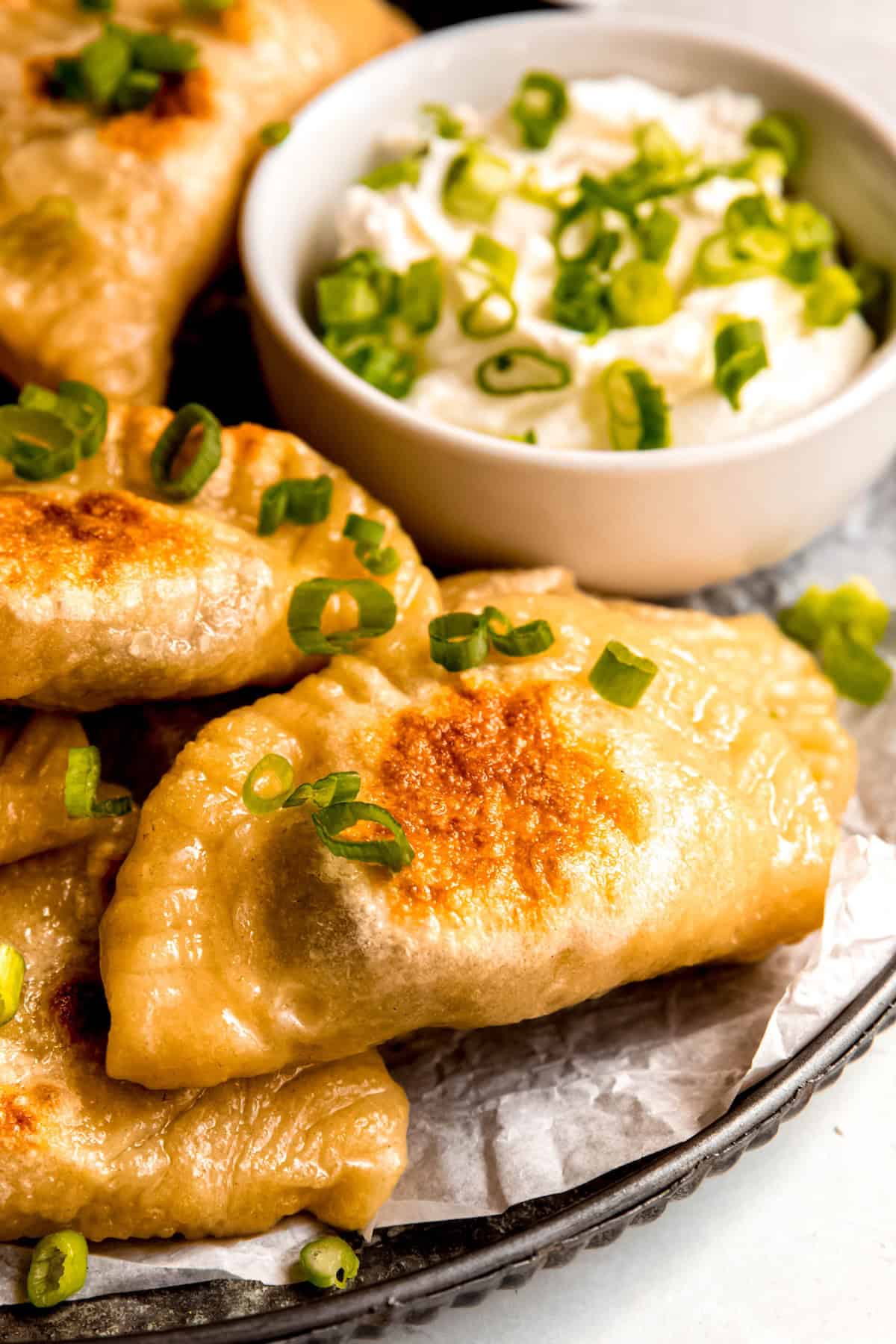
While I never made them from scratch until a few years ago, potato and cheese pierogi are my most nostalgic food. My Babcia (Polish for "grandma") would make them every year with her Polish club, right in time for Christmas. They also happen to be one of the most delectable things I have ever eaten, bar none. I mean, cheesy mashed potatoes + pasta + caramelized onions... what's not to love?
I won't lie—making homemade pierogi from scratch is a time-consuming process, but it's also 100% worth it! The process is pretty labor-intensive and would benefit from an extra set of hands, but I was able to knock out the whole recipe myself in about 4.5 hours. If you've got helpers at home, you could likely finish these even faster than I did.
So, if you have some time on your hands right now and are doing your best to make meals that are both good and cheap, do yourself a favor and make these cheesy potato pierogi. They're delightfully starchy, creamy and crispy, bursting with flavor and quite filling to boot. In short, they're the bee's knees.
Looking for more big batch recipes to stock your pantry with? Check out my big-batch vanilla almond granola, cinnamon apple preserves, and strawberry jam with pectin—all excellent for homemade gift ideas.
Jump to:
- What Are Pierogi?
- Why You’ll Love This Homemade Pierogi Recipe
- Ingredients & Substitutions
- How to Make Potato and Cheese Pierogi
- Optional Variations & Dietary Adaptations
- Expert Tips
- Serving Suggestions
- Storage Instructions
- FAQs
- More Cheap & Easy Recipes
- Potato and Cheese Pierogi with Caramelized Onions
- 💬 Reviews
What Are Pierogi?
If you're unfamiliar with pierogi (pronounced "pyee-ROW-ghee"), they're Polish dumplings that are popular across Eastern Europe. This caramelized onion, potato and cheese version is my family recipe, which is a take on the popular pierogi ruskie served in Polish homes.
Essentially, the exterior is a simple pasta dough stuffed with filling—sort of like a large-format ravioli. Unlike ravioli, though, pierogi are most often boiled and then pan-fried in butter. (Told you they're delightful.)
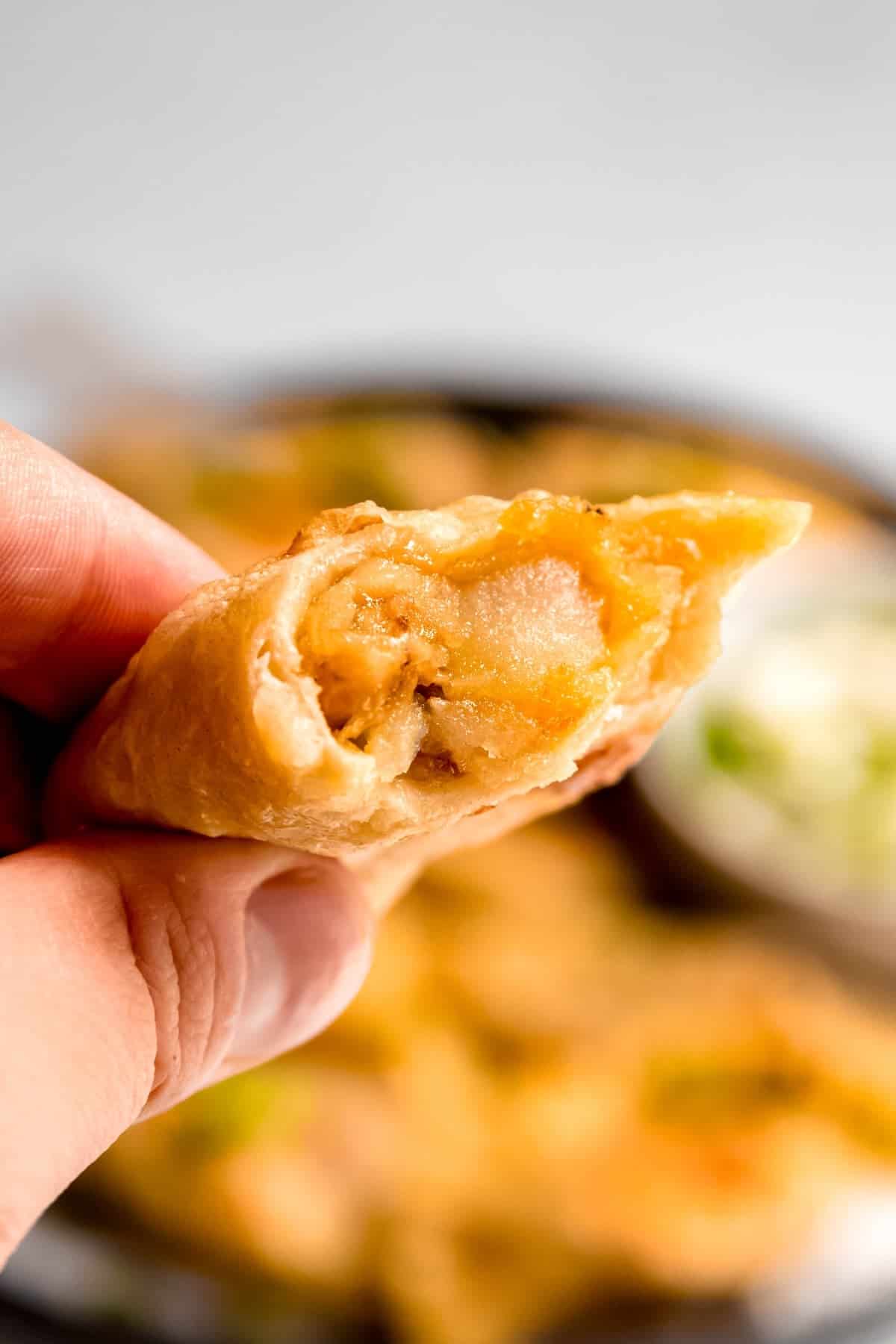
You can fill them with whatever floats your boat; I'm personally very fond of potato and cheese pierogi (aka "pierogi ruskie"), especially when they're laced with deeply caramelized onions, a hint of mustardy goodness, and four kinds of cheese.
Why You’ll Love This Homemade Pierogi Recipe
- One & Done - Making pierogi is definitely a labor of love, but once they're assembled, life is easy! Frozen pierogi are the best speedy weeknight dinner for cold weather. Just pop a few out of the freezer bag into a pan with some butter, fry them up and dollop with some sour cream for good measure!
- Cozy, Carb-y Goodness - There's nothing quite like a plate of pillowy pasta pockets stuffed with buttery mashed potatoes, sharp cheese, and sweet caramelized onions. It's the ultimate cold-weather comfort food—rich, hearty, and satisfying in a way that only serious carbs can deliver.
- Perfect for Sharing - This recipe makes a big batch, so it's ideal for feeding a crowd or passing along to friends and family. Whether you're hosting a pierogi-making party, freezing a few dozen to gift, or just stocking your own freezer for the season, this homemade pierogies recipe was made to be shared (or not—I won't judge if you keep them all to yourself).
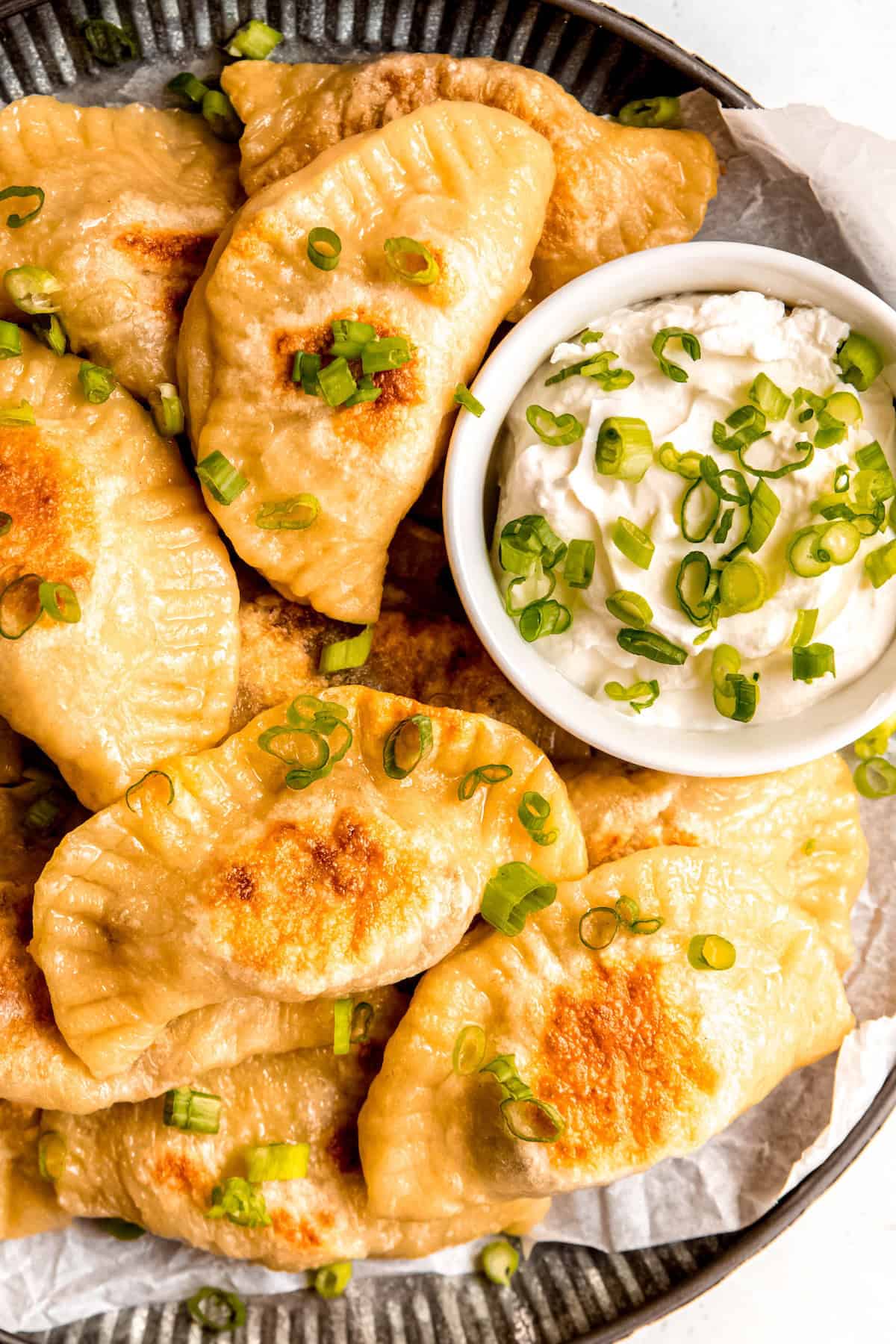
Ingredients & Substitutions
As promised, you don’t need anything fancy for making this Polish pierogi recipe. Here’s what to grab:
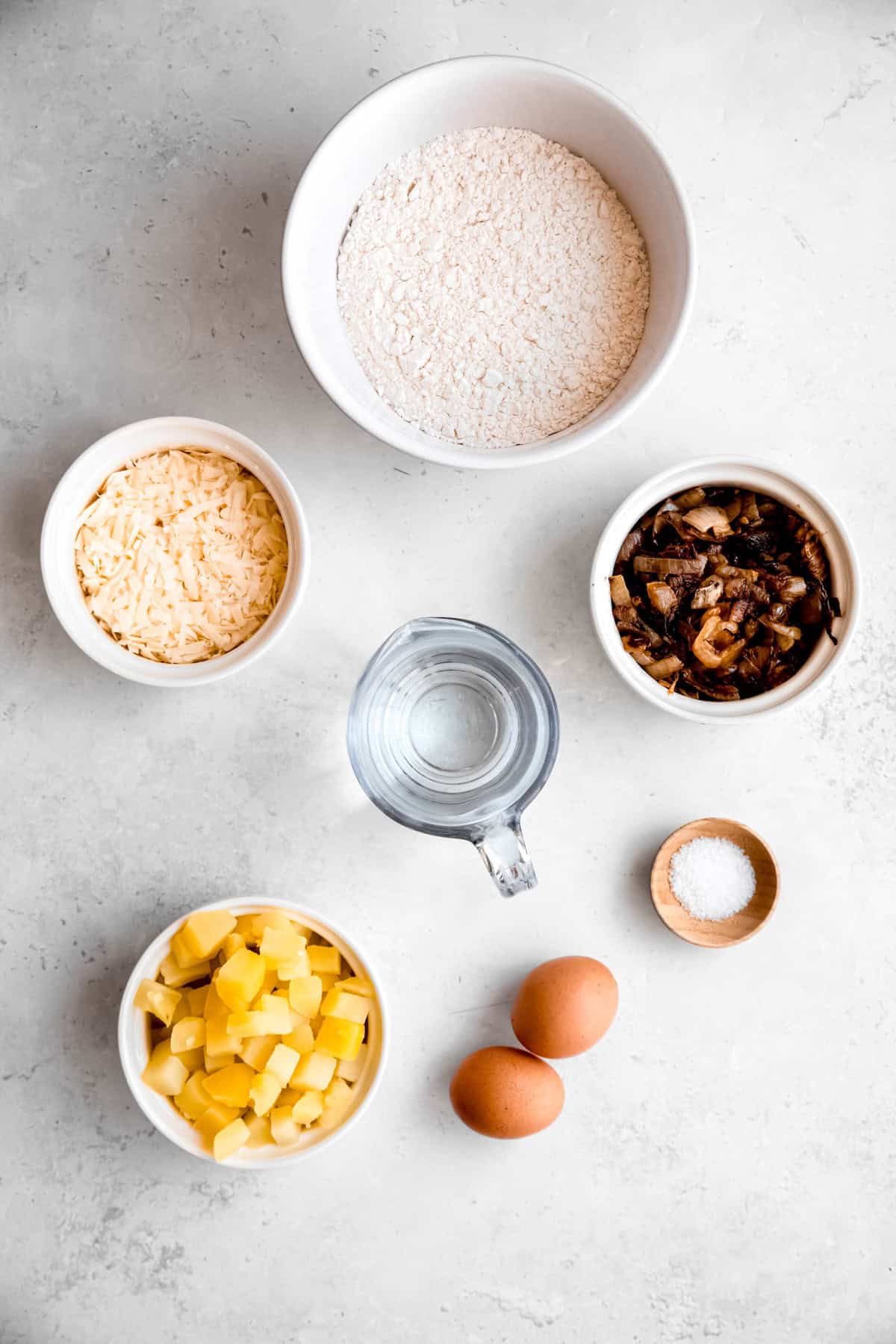
- All-Purpose Flour - This forms the base of the pierogi dough. No need for anything fancy here—standard all-purpose flour gives the dough the right amount of structure and stretch without becoming tough.
- Large Eggs - Eggs add richness and help bind the dough together. Room temperature eggs incorporate more smoothly than cold ones, so let them sit out for 20-30 minutes before using.
- Potatoes of Choice - I personally prefer either starchy Russet potatoes or all-purpose Yukon gold potatoes for mashies. Waxy potatoes end up tasting a bit gummy to me, but that's a personal preference.
- Shredded Cheese of Choice - I've used Trader Joe's quattro fromaggio blend, freshly grated cheddar cheese, milky havarti, and smoked gouda. I don't think there are any wrong answers! That said, freshly grated cheese does melt better than the pre-shredded kind.
- Caramelized Onions - These add a deep, sweet, savory backbone to the filling that balances out the richness of the potatoes and cheese. Take your time here. Low and slow is the name of the game for truly caramelized onions, so plan for at least 30-45 minutes of cook time. Don’t worry though—I made sure you’ll end up with an extra cup worth for freezing into little umami bombs for later.
- Dijon Mustard - Optional, but highly recommended for a subtle tang that cuts through the richness of the filling. If you're not a mustard fan, you can leave it out entirely, or swap in a small splash of apple cider vinegar for a similar brightening effect.
- Dried Thyme - Optional. This adds a subtle earthy, herby note to the filling. Feel free to swap in dried rosemary or sage for a different but equally cozy flavor profile.
- Cayenne Pepper & Smoked Hot Paprika - Optional. These bring a gentle warmth and smokiness to the filling. Omit entirely for a milder filling, or increase for more heat.
- Scallions - I like to put the whites and pale green parts into the filling for an additional pop of oniony goodness, then use the thinly sliced tops for a pretty garnish.
- Kosher Salt and Black Pepper - Essential for properly seasoning the dough and filling. Don't be shy here, as starches like potatoes and pasta can handle (and need) a good amount of seasoning to really shine. If substituting table salt, use about half the amount, since it's more concentrated than kosher salt.
- Butter or Oil - For pan-frying. Butter gives the pierogi a rich, nutty flavor and gorgeous golden color, while a neutral oil (like avocado or vegetable oil) works well if you want a higher smoke point or a dairy-free option. A combination of both is my personal favorite for the best of both worlds.
How to Make Potato and Cheese Pierogi
Step 1: Caramelize Onions. This step takes quite a while—upwards of an hour if you want them really nice and dark—but the hardest part is making it through slicing a big pile of onions. *Cue tears.* Start with 8 yellow onions, sliced thinly. In a Dutch oven, melt 3 tablespoons of butter over medium heat until just bubbling, then add the onions along with several big pinches of kosher salt. Stir occasionally, letting the natural sugars caramelize—first to a lovely golden brown, and then, if you're patient, to the dark rich hue of cooked bacon. The pierogi only need 2 cups of caramelized onions, but my batch made about 3 cups’ worth. Since you're already going to the trouble, make extra! You can freeze them in ice cube trays for little savory-sweet-umami bombs whenever you need them, or add extra for serving the pan-fried pierogi.
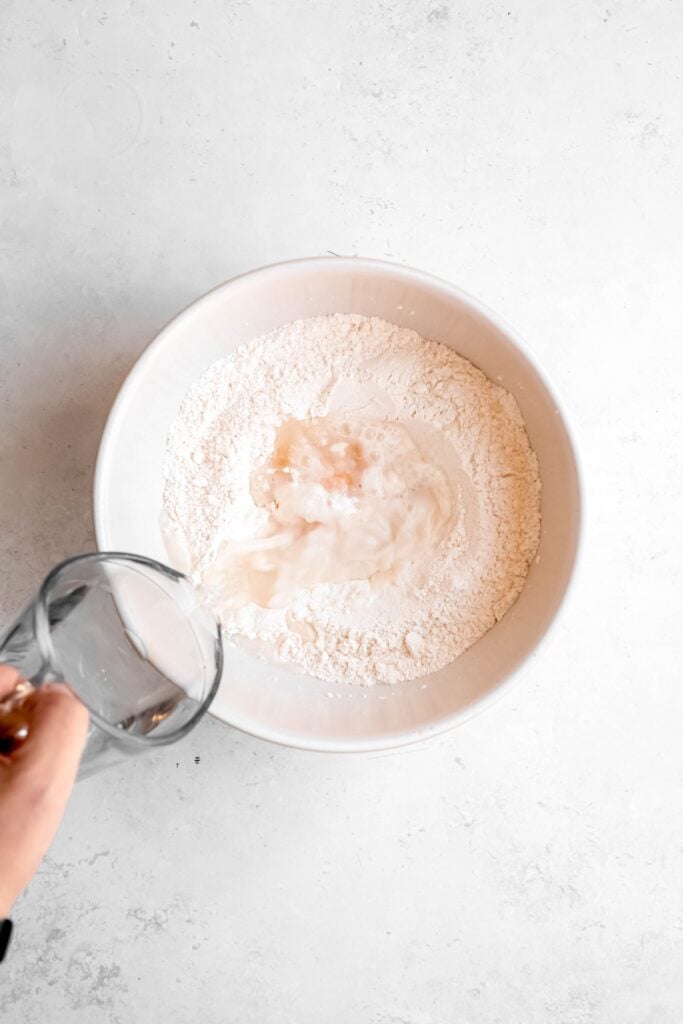
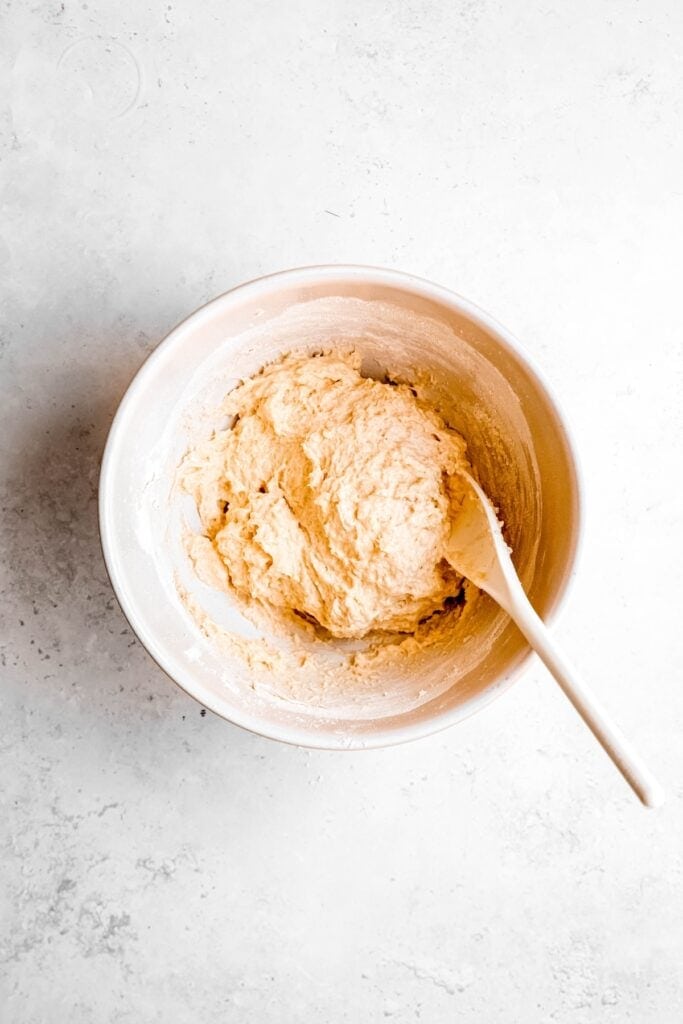
Step 2: Make Pierogi Dough - In a large bowl, combine the AP flour and salt. Make a well in the middle and slowly add in the eggs and water. Mix until a smooth dough forms—it will be relatively sticky. Cover the bowl with a clean towel and let it rest while you make your filling. Multi-tasking Tip: You can make the pierogi dough while your onions are caramelizing.
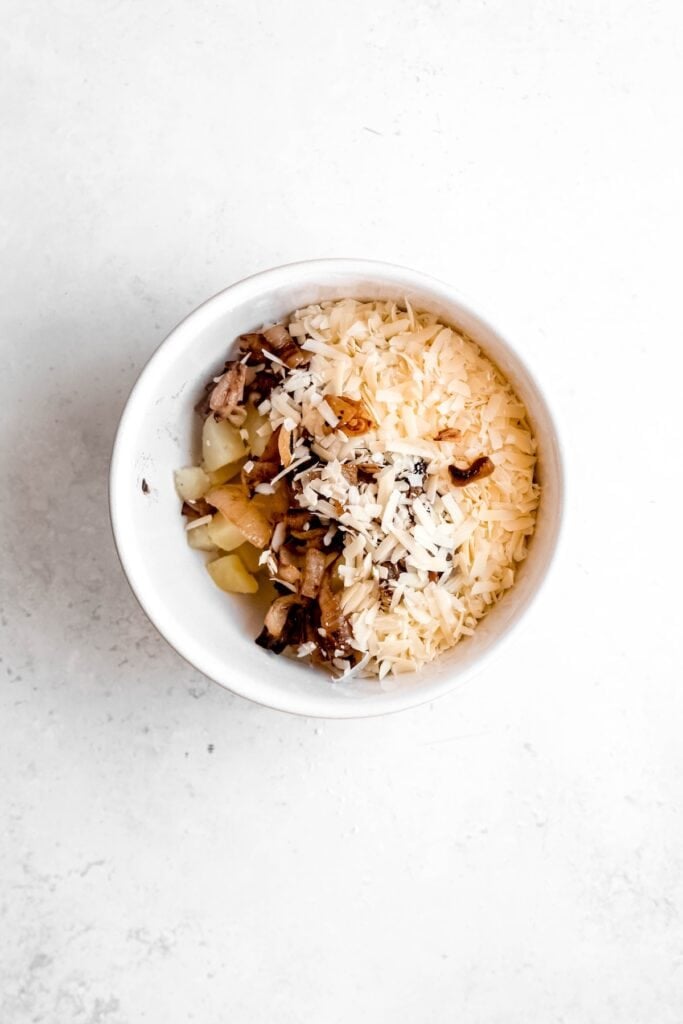
Step 3: Make Pierogi Filling - Add all filling ingredients to a large mixing bowl and mix until well combined. Pro Tip: Don't over-mix the potatoes—they have a tendency to get gummy if you do. I'd recommend using a potato masher and a spatula to help you get all the bits hiding in the corners.
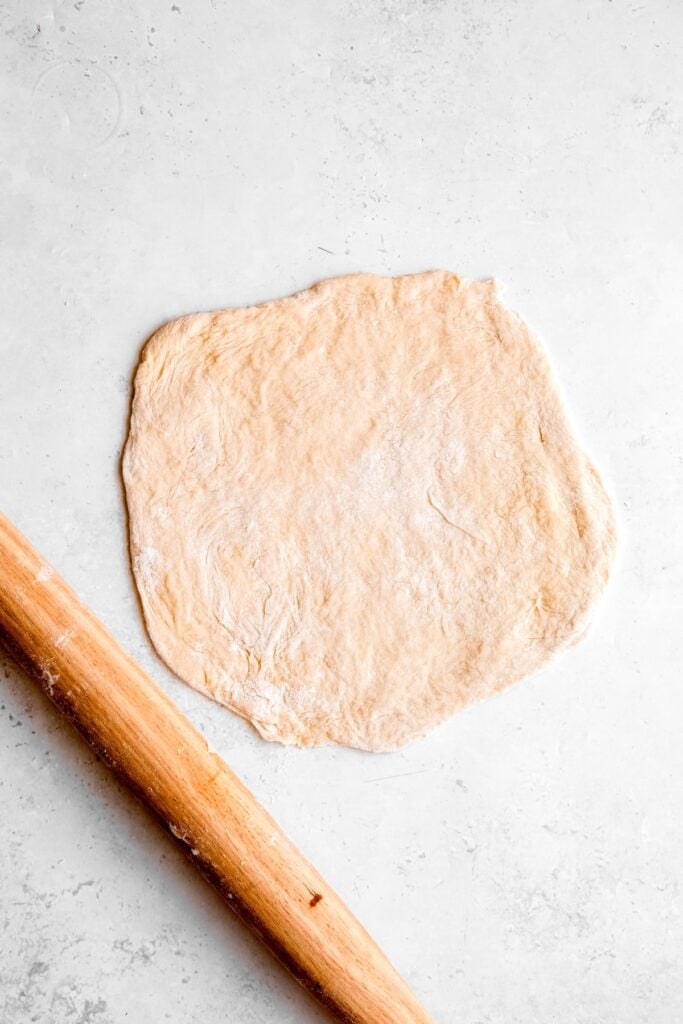
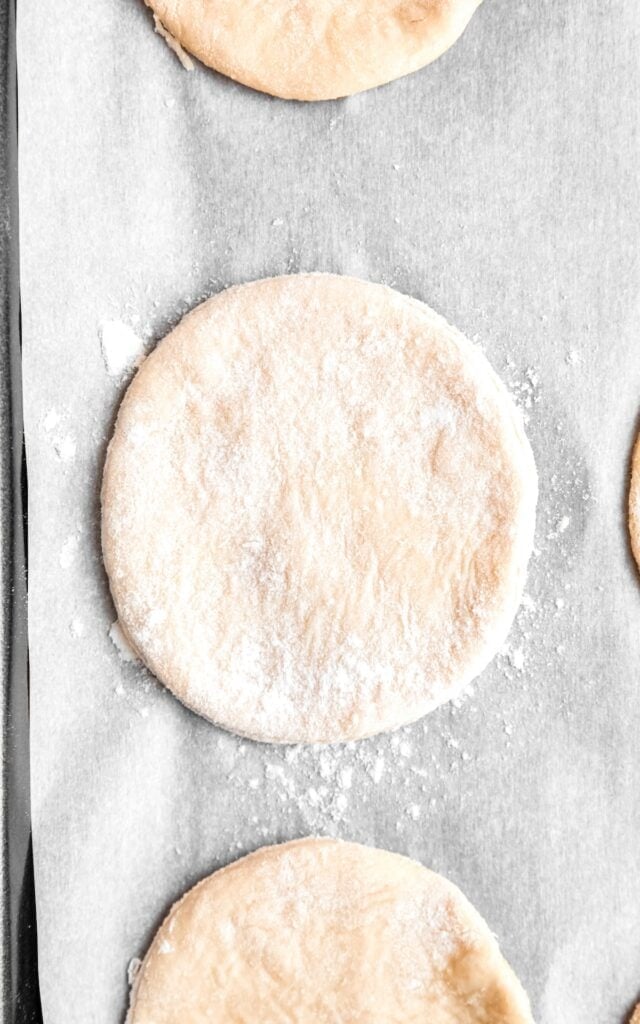
Step 4: Assemble - Clean your work surface with a food-safe product. Split the dough in half, keeping one half covered in the bowl. Liberally flour your sparkling countertops and place the rest of the dough in the center. (I know, I know, my OCD hates that part too. I just cleaned the dang thing and now I'm immediately making it messy?!? But trust me, this will be worth it.) Using a floured rolling pin, roll the dough outwards, spinning frequently to make sure it's not sticking to the counter, and applying more flour as necessary. The dough should be about ⅛" thick. Using a roughly 3" biscuit cutter, round cookie cutter, mason jar lid, or even the rim of a glass, cut as many rounds from your dough as possible, saving the scrap dough to re-roll with the resting half. Scoop out about a tablespoon of potato filling and place it in the center of a round. Fold the dough around the filling to create a half-moon shape, pinching the edges sealed and making sure the filling stays put. Then use a fork to crimp the edges (yes, this makes them pretty, but it also ensures all the good stuff stays where it should). Place pierogi on a large plate or cookie sheet, keeping them covered with a tea towel or plastic wrap. Repeat the rolling, filling, and crimping process until all your dough is gone.
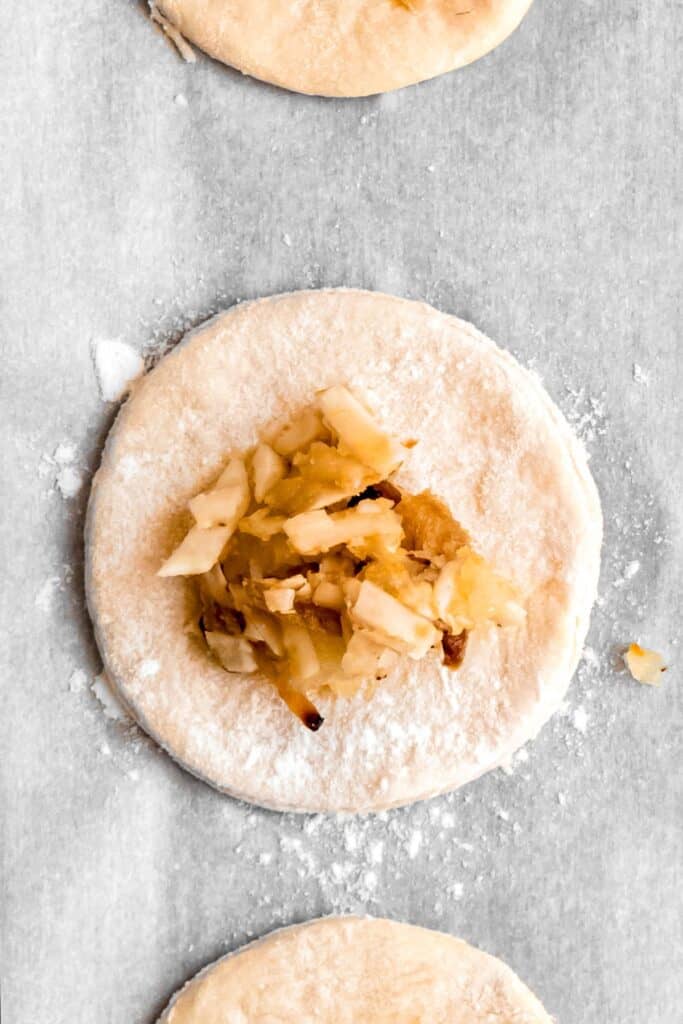
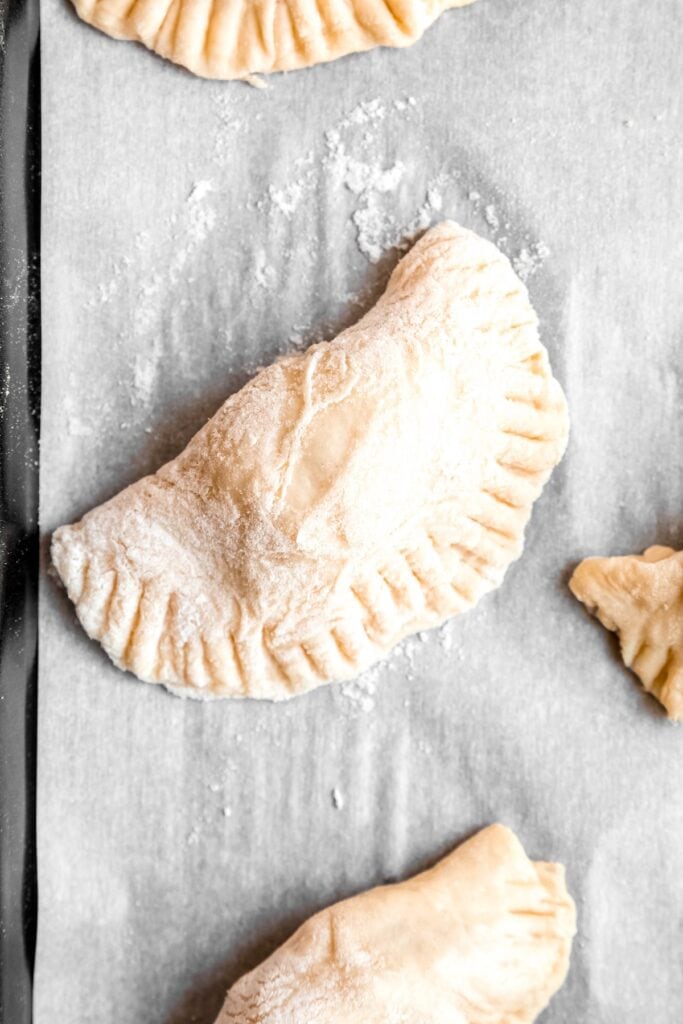
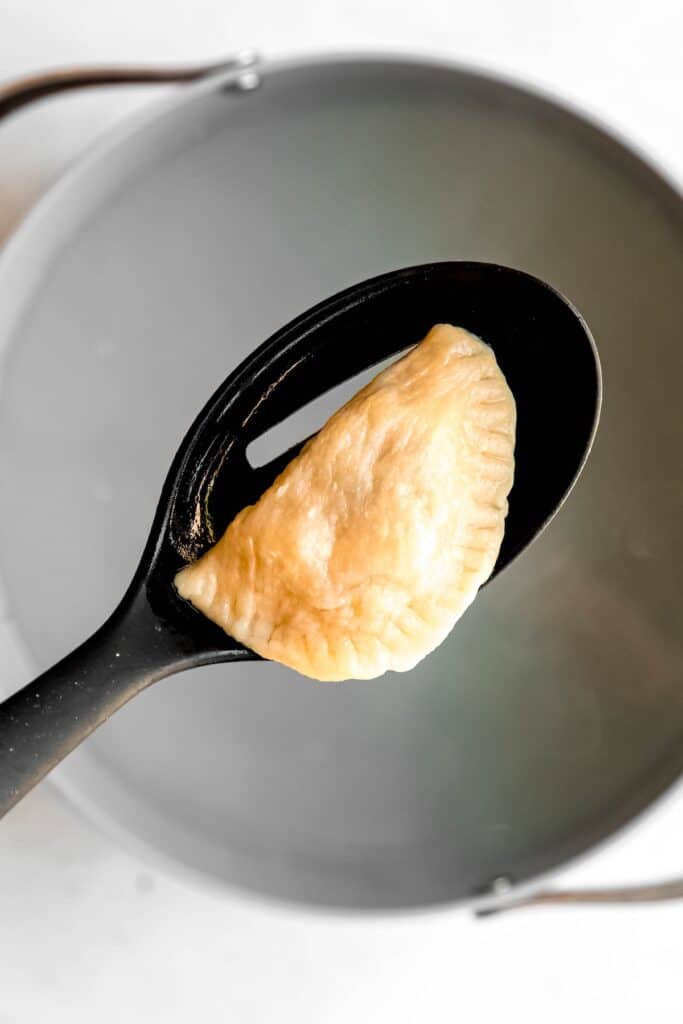
Step 5: Boil - Bring a large pot of salted water to a boil and add enough salt to make the water taste like the ocean. In batches of about 12, add your pierogi to the boiling water, stirring occasionally, until they rise to the top (1-3 minutes). Using a slotted spoon or skimmer, remove the boiled pierogi and place on another plate or cookie sheet. Continue until all pierogi are boiled.
Make Ahead Tip: Once your potato and cheese pierogi are cool, portion them into freezer bags, removing as much air as possible. Label and date them before freezing—they'll easily last 6 months, and you can pan-fry them directly from frozen. Just don't freeze the ones you want to eat tonight (or even this week—they'll keep in the fridge for up to 7 days).
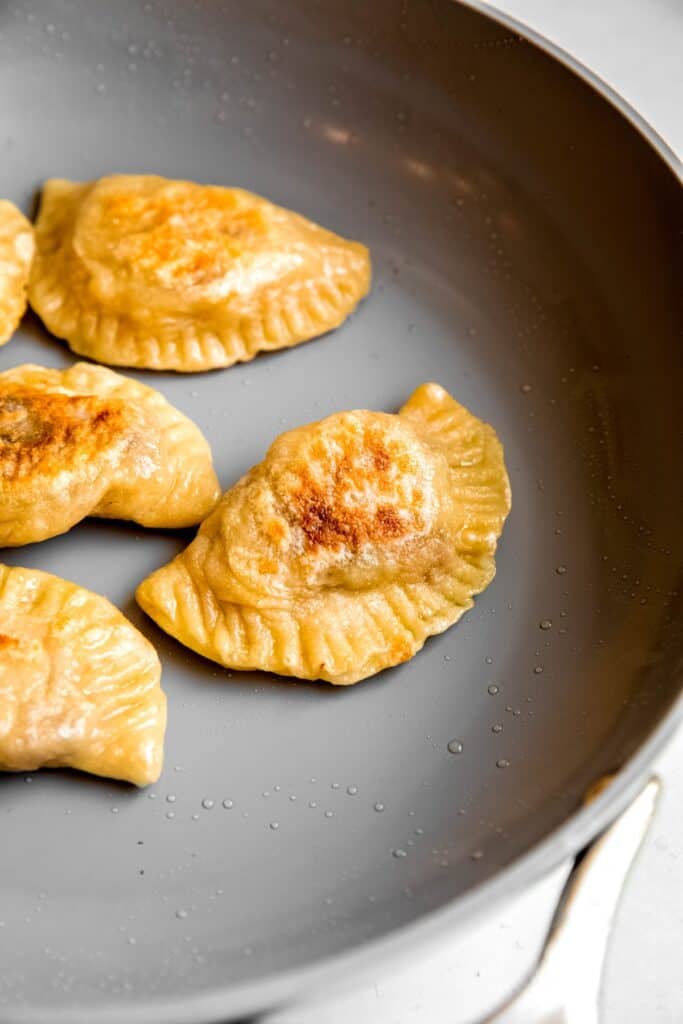
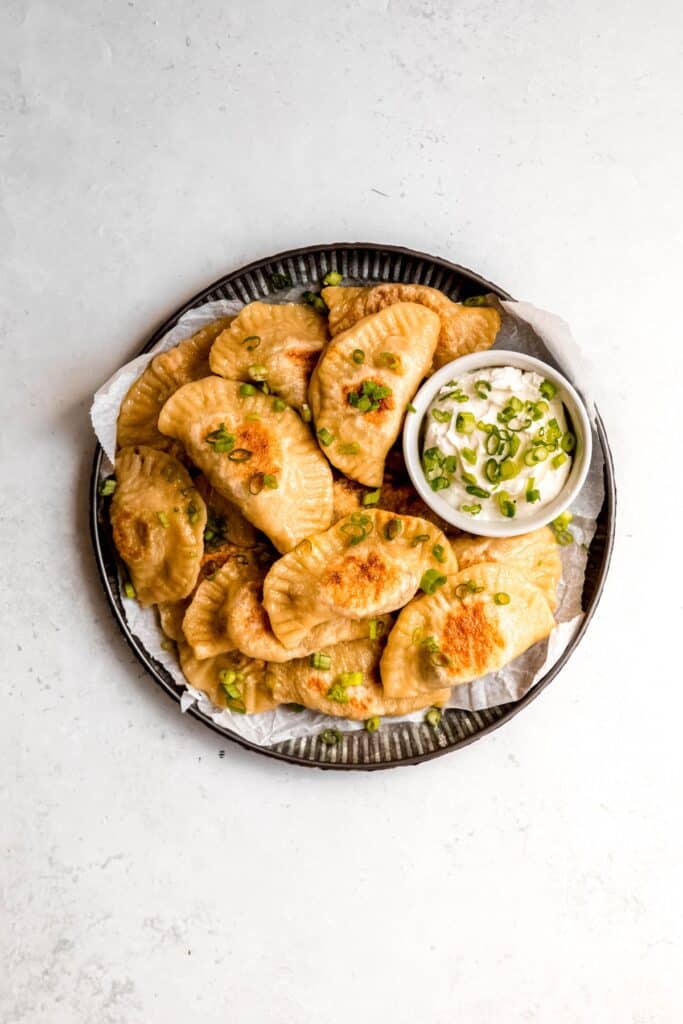
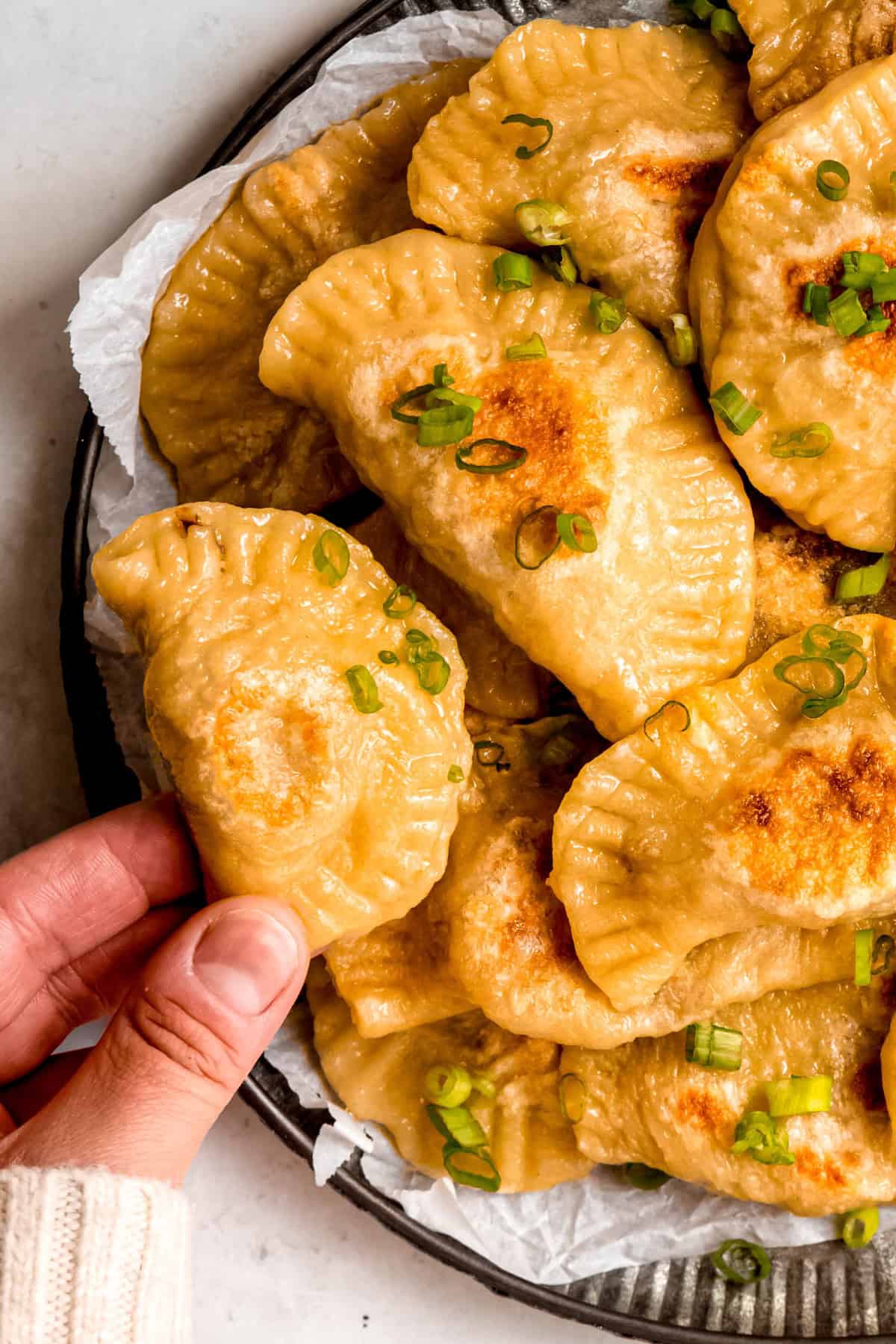
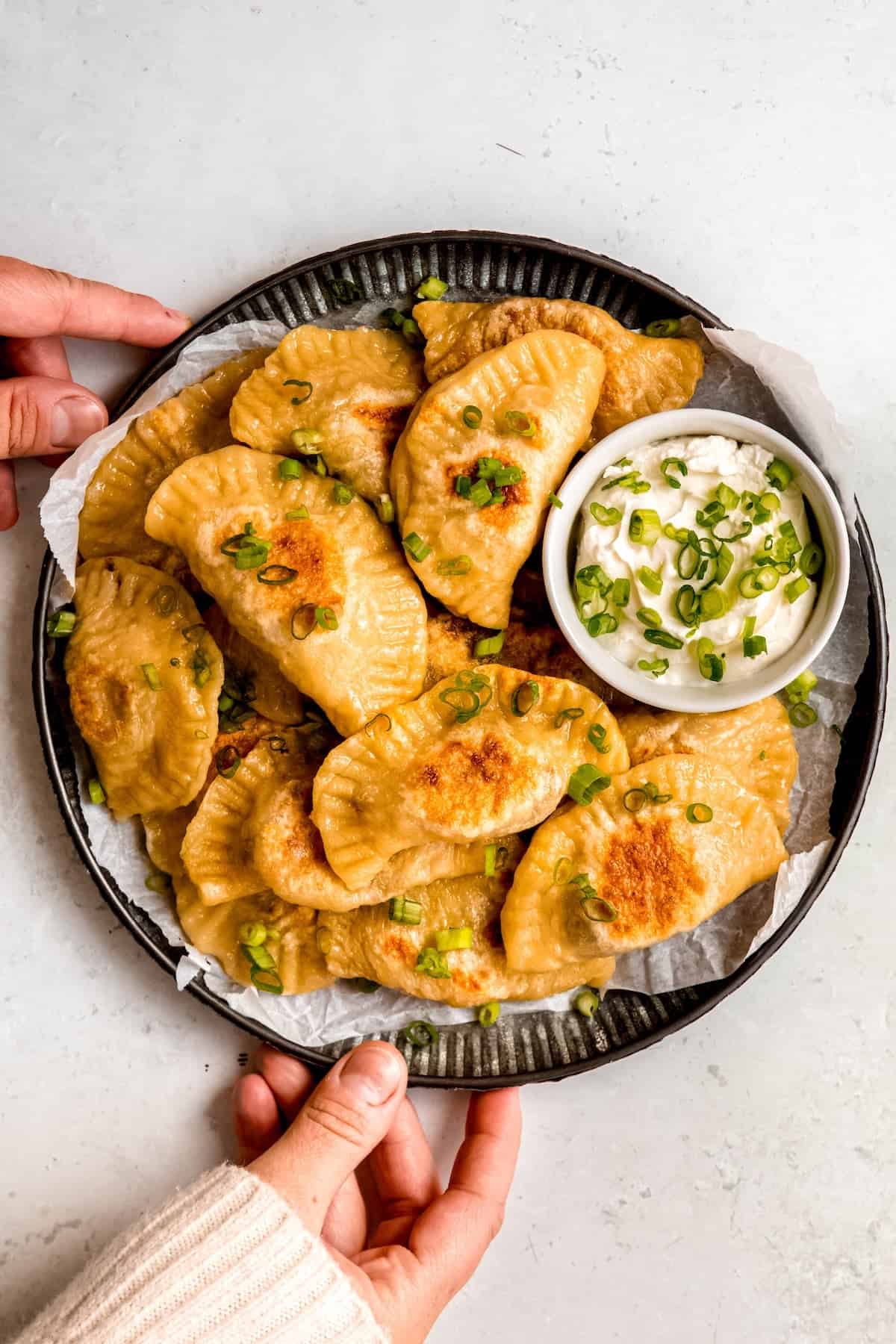
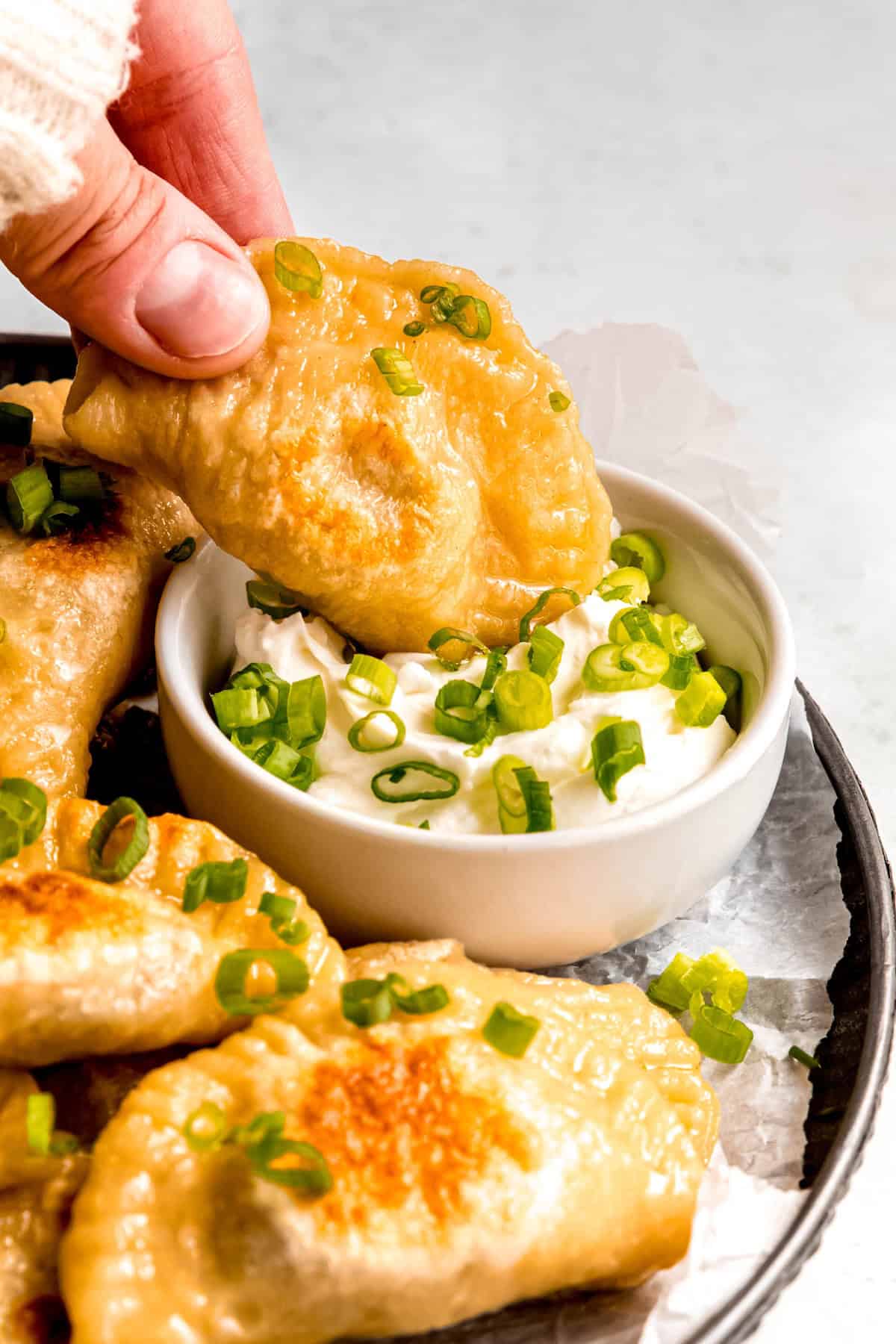
Step 6: Pan Fry & Serve - Heat a medium-large saucepan (depending on how many you're making) over medium heat. For 12 pierogi (2 servings), add in about a tablespoon of butter with a little oil. When the butter begins to bubble, add your boiled pierogi. Cook until golden brown, then flip and cook until the other side is equally golden and delicious. Serve your pan-fried Polish pierogies with a drizzle of melted, salted butter, a dollop of Greek yogurt (or sour cream, traditionally), and a handful of chopped scallions. Enjoy every carb-y moment—you earned it.
Optional Variations & Dietary Adaptations
These caramelized onion, potato and cheese pierogies are my absolute favorite flavor, but don't feel like you have to stop there. Here are some different fillings to try:
- Sauerkraut and Mushroom - A classic Eastern European combo—sautéed mushrooms, tangy sauerkraut, and caramelized onions come together for a savory, umami-packed filling that's naturally vegetarian.
- Farmer's Cheese and Herb - Skip the potato altogether and go with a simple sweet-leaning filling of farmer's cheese (or a mix of ricotta and cream cheese), a touch of sugar, and fresh herbs like dill or chives.
- Spinach and Feta - Wilted spinach, crumbled feta, and a little nutmeg make for a bright, slightly tangy filling.
- Ground Beef or Pork - For a heartier, meat-filled pierogi, mix cooked and finely chopped ground beef or pork with sauteed onions and a touch of garlic and paprika.
- Butternut Squash and Sage - Roasted, mashed butternut squash with brown butter and crispy sage makes for a slightly sweet, fall-inspired filling that pairs beautifully with a drizzle of maple or hot honey.
- Sweet Cheese and Fruit - Make dessert-style pierogi with sweet fillings for a fun twist. Fill the dough with sweetened farmer's cheese or cream cheese and diced fresh fruit like strawberries, blueberries, or peaches—perfect served with a dollop of sour cream and a sprinkle of sugar.
- Reuben-Style - Corned beef, sauerkraut, and Swiss cheese for a fun, Americanized twist that eats like a pierogi version of a Reuben sandwich.
- Broccoli and Cheddar - A kid-friendly option: finely chopped steamed broccoli mixed with sharp cheddar, mashed potatoes and a touch of garlic powder.
If you come up with a killer pierogi filling that the world should know about, let me know in the comments below!
Expert Tips
- Use an empanada press if you have one. If you happen to have an empanada press on hand, it'll make stuffing these bad boys a lot faster and easier, especially if you have the kiddos helping.
- Don't stack pierogi directly on top of each other. Don't make the mistake I did and stack completed dumplings directly on top of each other—they'll stick together and potentially pull apart all your hard work. Use parchment or another tea towel to start a new layer as needed, both when working with the pre-boiled and boiled pierogi.
- Keep your dough covered while you work. Pierogi dough dries out fast, so keep any dough you're not actively rolling under a damp towel to prevent cracking and tearing.
- Don't overfill. A level tablespoon per pierogi is usually the sweet spot. Too much filling makes sealing difficult and increases the odds of a blowout in the boiling water.
- Seal well, then double-check. Press out any air pockets and crimp the edges firmly (or use a fork) to make sure they're fully sealed. Any gaps can let filling escape while cooking.
- Boil in batches. Overcrowding the pot drops the water temperature and can cause pierogi to stick together. Cook them in small batches for the best results.
- Freeze on a tray first. Flash-freeze uncooked pierogi on a parchment-lined baking sheet until solid before transferring to a freezer bag—this keeps them from clumping into one giant dumpling.
Serving Suggestions
These delicious dumplings are hearty enough to be a main dish on their own, but a few simple sides can round things out nicely:
- A dollop of sour cream and a sprinkle of chives or green onions never hurts—it's the classic way to serve pierogi and lets that caramelized onion and potato filling shine. You can also add extra sautéed onions if you love the savory-sweet flavor as much as I do.
- Pair them with my fall kale salad with crispy chickpeas for a lighter meal that balances out the richness of the fried pierogi.
- Serve alongside a chicken sausage sheet pan dinner for an extra-hearty, meat-lover's plate.
- A side of charred brussels sprouts with bacon onion jam adds some color and agrodolce interest to the plate.
- For a cozy fall or winter dinner, pair them with homemade applesauce—the sweet-tart flavor is a classic match for potato pierogi.
- Hosting a crowd? Set these out alongside swiss cheese ham delights for a fun, casual, crowd-pleasing spread.
- Drizzle with brown butter and crispy sage for a slightly fancier restaurant-style presentation.
Storage Instructions
- Refrigerator: Boiled pierogi will keep in the fridge for about a week.
- Freezer: Frozen pierogi will keep for up to 6 months in the freezer. To freeze pierogi, spread the boiled and drained pierogi in a single layer on a sheet pan and freeze until solid. Once frozen, transfer them to a zip-top bag.
- Reheating: When you're ready to eat, skip the defrosting step entirely: just melt some butter in a sauté pan and toss the frozen pierogi in until browned and heated through.
- Tip: Got extra filling left over? Scoop it into a container, label it with the date, and freeze it for next time—instant head start on your next pierogi batch! Feeling lazy? Use that leftover filling with wonton wrappers to make "cheater's pierogi"—no boiling required.
FAQs
The traditional pierogi pairing is sour cream, often with sautéed onions or chives on top. Other great options: melted butter with crispy fried onions, brown butter and sage, or make-ahead mushroom gravy for a fun twist on mashed potatoes. For a tangier twist, some people love a dollop of applesauce or garlic butter with dill.
For the best texture, boil then pan-fry the cooked pierogi. Drop the pierogi into salted, gently boiling water and cook until they float to the top, about 3-5 minutes (a bit longer if frozen). Then melt butter in a skillet over medium heat and fry the boiled pierogi until golden and crispy on both sides. This two-step method gives you a soft, tender filling with a deliciously crispy, buttery exterior.
Potato and cheese pierogi are a source of carbs, protein, and calcium, but they're also fairly calorie-dense and higher in refined carbs and saturated fat, especially when pan-fried in butter. They're more of an indulgent comfort food than a "health food," but they’re also free from any weird additives or preservatives. Think of them like a plate of loaded mashed potatoes—rib-sticking and delicious, but lacking in veggies for balance.
If I'm eating pierogi as my main course, 6 usually does the trick. (For reference, my recipe makes 72.) If you're serving as a side on your holiday table, well, that depends—did you wear elastic pants? If so, 2-3 is a good amount. If not, you're doing it wrong; go home and change immediately.
If you wanna make authentic pierogi ruskie the traditional Polish way, I suggest using twaróg, which is a Polish farmer's cheese. Otherwise, cheddar, fontina, mozzarella, or really any melty cheese (or mix thereof!) will work well here. FWIW, I recommend making potato and cheddar cheese pierogi for your first time, then experiment from there!
More Cheap & Easy Recipes


Potato and Cheese Pierogi with Caramelized Onions
Ingredients
Pierogi Dough
- 4 C All Purpose Flour
- 2 teaspoon Kosher Salt
- 2 Large Eggs room temperature
- 2 C Water lukewarm
Potato, Cheese and Caramelized Onion Filling
- 2 lb Potatoes of Choice peeled and boiled till fork tender
- 2 C Shredded Cheese of Choice any melty variety, preferably freshly shredded
- 2 C Caramelized Onions* (see recipe note)
- 2 tablespoon Dijon Mustard (optional)
- 1 teaspoon Dried Thyme (optional)
- 1 teaspoon Cayenne Pepper (optional)
- 1 teaspoon Smoked Hot Paprika (optional)
- 4 Scallions, Chopped (optional)
- Salt and Pepper to taste
Instructions
- In a large bowl, combine, AP flour and salt. Make a well in the middle and slowly add in eggs and water.Mix until a smooth dough forms - it will be relatively sticky. Cover the bowl with a clean towel and let rest while you make your filling.4 C All Purpose Flour, 2 tsp Kosher Salt, 2 Large Eggs, 2 C Water
- In a separate large bowl, combine filling ingredients.2 lb Potatoes of Choice, 2 C Shredded Cheese of Choice, 2 C Caramelized Onions*, 2 Tbsp Dijon Mustard, 1 tsp Dried Thyme, 1 tsp Cayenne Pepper, 1 tsp Smoked Hot Paprika, 4 Scallions, Chopped, Salt and Pepper
- Split dough in half, keeping one half covered in the bowl. Liberally flour your sparkling countertops and place the dough in the center. Using a floured rolling pin, roll dough outwards, spinning frequently to make sure it’s not getting stuck on the counter. Apply more flour to your surface as necessary. The dough should be about ⅛” thick.
- Using a roughly 3” biscuit cutter, round cookie cutter, mason jar lid or even a cup, cut as many rounds from your dough as possible, saving the scrap dough to re-roll with the resting half.
- Scoop out about a tablespoon of your filling and put it in the center of a round. Fold the dough around the filling, creating a half moon shape. Pinch the edges sealed, being sure to keep the filling inside. Then use a fork to crimp the edges shut.Lay the completed pierogi on a large plate or cookie sheet, using a tea towel to keep them covered. Don’t make the mistake that I did and lay completed pierogi on top of each other or they will stick together and potentially pull apart all of your hard work. Use parchment or another tea towel to start a new layer as needed.Repeat steps rolling, filling and crimping until all of your dough is gone.
- Bring a large pot of water to boil and add enough salt to make the water taste like the ocean. In batches of about 12, add your pierogi to the boiling water, stirring occasionally, until they rise to the top (1-3 minutes). Using a slotted spoon or skimmer, remove boiled pierogi and put on another plate or cookie sheet. Continue until all pierogi are boiled. Once pierogi are cool, you can portion them out into freezer bags, removing as much air as possible from the bags. Label and date them before freezing. They will easily last 6 months, and you can pan fry them directly from frozen.
- Heat a medium-large saucepan (depending on how many you’re making) over medium heat. For 12 pierogi, I added in about a tablespoon of butter. When the butter begins to bubble, add your pierogi. Cook until golden brown, then flip and cook until the other side is equally golden and delicious.
- Serve with a drizzle of melted, salted butter, a dollop of greek yogurt (or sour cream, traditionally), and a handful of scallions, chopped.Enjoy every carb-y moment. You earned it.
Notes
- Refrigerator: Boiled pierogi will keep in the fridge for about a week.
- Freezer: Frozen pierogi will keep for up to 6 months in the freezer. To freeze pierogi, spread the boiled and drained pierogi in a single layer on a sheet pan and freeze until solid. Once frozen, transfer them to a zip-top bag.
- Reheating: When you're ready to eat, skip the defrosting step entirely: just melt some butter in a sauté pan and toss the frozen pierogi in until browned and heated through.
- Tip: Got extra filling left over? Scoop it into a container, label it with the date, and freeze it for next time—instant head start on your next pierogi batch! Feeling lazy? Use that leftover filling with wonton wrappers to make "cheater's pierogi"—no boiling required.
- Use an empanada press if you have one. If you happen to have an empanada press on hand, it'll make stuffing these bad boys a lot faster and easier, especially if you have the kiddos helping.
- Don't stack pierogi directly on top of each other. Don't make the mistake I did and stack completed dumplings directly on top of each other—they'll stick together and potentially pull apart all your hard work. Use parchment or another tea towel to start a new layer as needed, both when working with the pre-boiled and boiled pierogi.
- Keep your dough covered while you work. Pierogi dough dries out fast, so keep any dough you're not actively rolling under a damp towel to prevent cracking and tearing.
- Don't overfill. A level tablespoon per pierogi is usually the sweet spot. Too much filling makes sealing difficult and increases the odds of a blowout in the boiling water.
- Seal well, then double-check. Press out any air pockets and crimp the edges firmly (or use a fork) to make sure they're fully sealed. Any gaps can let filling escape while cooking.
- Boil in batches. Overcrowding the pot drops the water temperature and can cause pierogi to stick together. Cook them in small batches for the best results.
- Freeze on a tray first. Flash-freeze uncooked pierogi on a parchment-lined baking sheet until solid before transferring to a freezer bag—this keeps them from clumping into one giant dumpling.


Jim featherspoon says
This looks delicious! Can’t wait to try it
Norma Supel says
My husband's mom used to make cottage cheese and caramelized onions pirogi.
I grew up on potato/cheese pirogi.
I just made the cottage cheese with the onions and he LOVED them!
Ash, The Grocery Addict says
Norma, I love that!! I'll have to add some cottage cheese to mine next time. 💛