
If you’re looking for a simple way to make a positive impact in your community, consider setting up a Little Free Pantry in your front yard! Also known as “blessing boxes,” these pantries provide an easy, unintrusive way to assist neighbors that might need a little help getting food on the table.
It’s been a rugged year, but my sweet husband bought me a Little Free Pantry box for our engagement anniversary. Spreading love always cheers me up, and y’all know my love language is food! With just a few simple materials and a couple of hours of work, we were able to set up and install a box that holds several bags worth of groceries.
And, while we set it up to help neighbors during these fraught times, the anonymous contributions of others have been an unexpected balm for my broken heart. Seriously, y’all. If you need something to restore your faith in humanity, set up a little free pantry.
After we got the pantry installed, we didn’t have time to make it to the store to buy things to stock it with. But when I woke up the next morning, some lovely people had added food and toiletries. That small act of unsolicited kindness and community camaraderie literally brought tears to my eyes.
Now, I get a near-daily dopamine hit, whether from seeing an empty spot on the shelf or seeing a new addition to the offerings. Even though I’ve never seen any of the faces who visit, knowing that I live among people who have love to share with strangers, and knowing that together we are helping our neighbors has been the highlight of my year.
Jump to:
- What is a Little Free Pantry & Who Should Make One
- What Container Should I Use?
- What to Stock in a Little Free Pantry (and What Not To)
- How to Maintain & Restock Your Little Free Pantry
- How to Decorate a Little Free Pantry
- Why You Should Build A Little Free Pantry
- Dispelling SNAP Myths
- Other Ways to Help People on SNAP During a Shutdown
- Growing the Vision
- More Community Resources
- 💬 Reviews
What is a Little Free Pantry & Who Should Make One
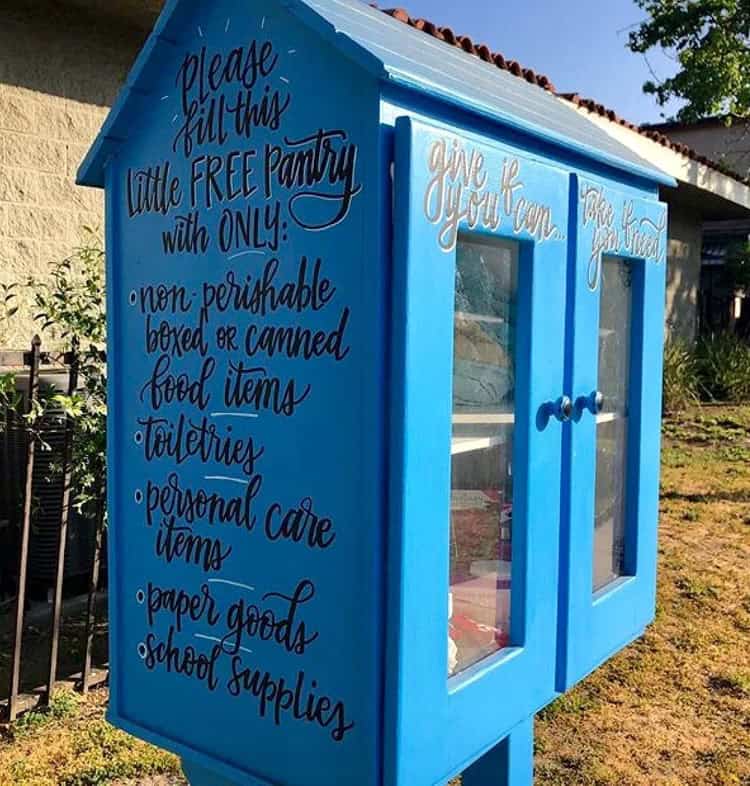
A Little Free Pantry is a small, weather-protected cabinet or box that offers free food and essentials to anyone in need. Inspired by the Little Free Library movement, these pantries operate on the simple principle of mutual aid: “take what you need, leave what you can.”
They’re stocked by neighbors, for neighbors, and meant to fill the small, everyday gaps that food banks and government aid can’t always reach. Anyone can access them, no questions asked, 24/7. The beauty of Little Free Pantries is that they scale to fit your resources—whether that means a large wooden cabinet or a repurposed newspaper dispenser near your apartment.
So, who should build one? Honestly—anyone who cares about their community. Maybe you’re a homeowner with a front yard, a teacher who wants to involve your students, a faith group looking for a service project, or just someone who’s tired of seeing needs go unmet in your neighborhood.
Whether you have the means to build a sturdy wooden box yourself or you’re organizing a group to sponsor one, setting up a Little Free Pantry is a meaningful, tangible way to practice everyday generosity and strengthen the fabric of your community. Ready to make kindness visible? Let’s do this!
What Container Should I Use?
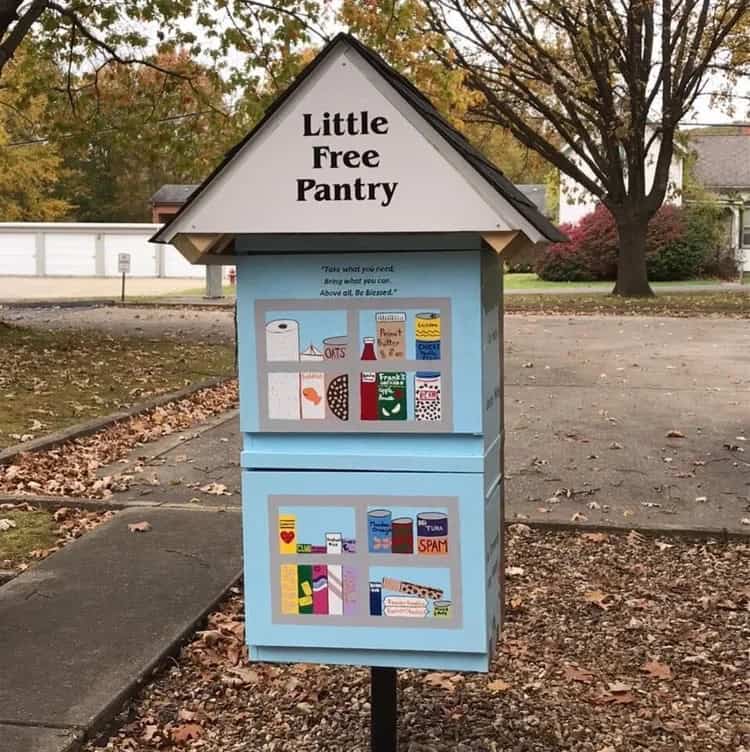
You don’t need fancy materials or a big budget to start a Little Free Pantry—just something sturdy, weather-resistant, and easy to access. The goal is to keep food clean, dry, and visible so people feel comfortable stopping by. Here are a few options to get your creative wheels turning:
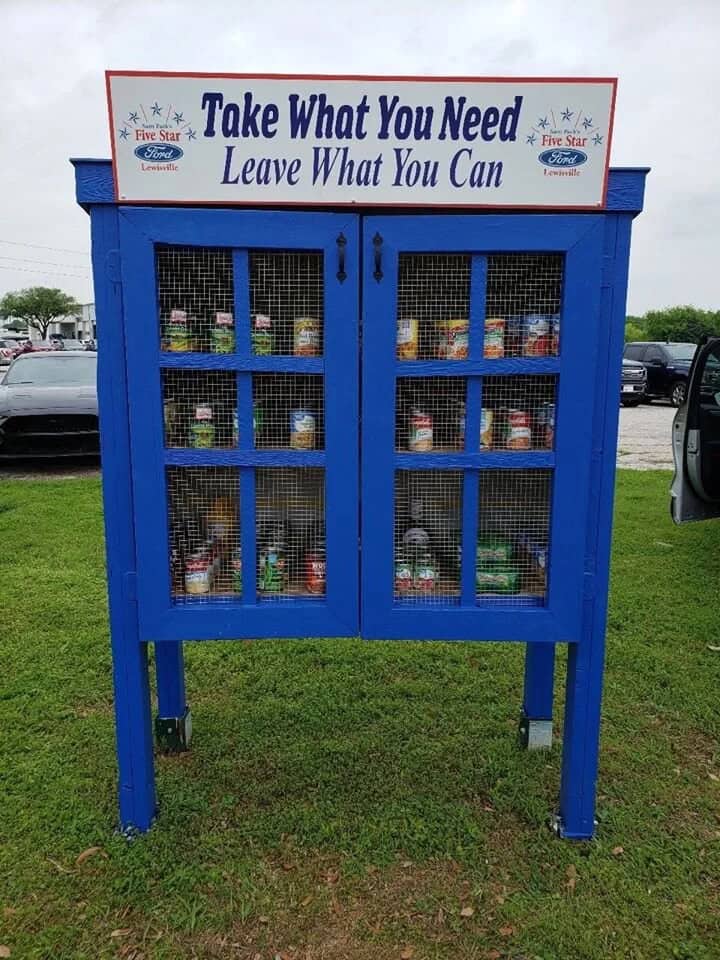
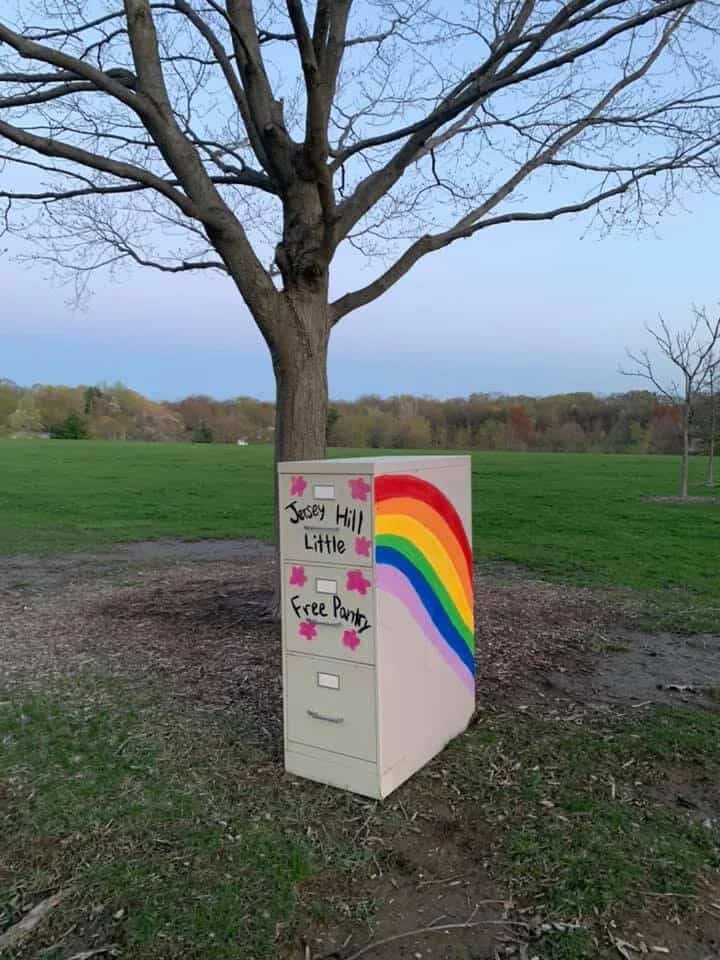
- Old cabinets or bookshelves: Repurpose an old kitchen cabinet, medicine cabinet, or bookcase by giving it a weatherproof coat of paint and adding doors or plexiglass panels to protect food from the elements.
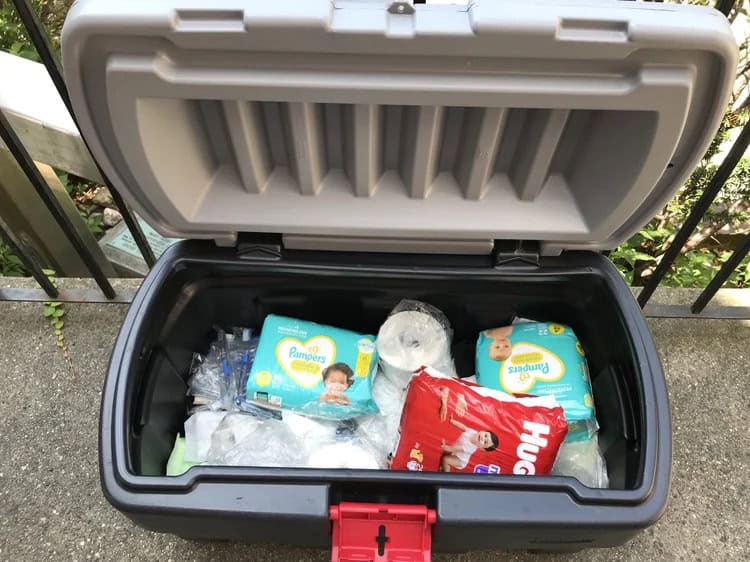
- Storage totes or plastic bins: Perfect for temporary setups or renters who can’t build something permanent. Choose heavy-duty, lidded bins and anchor them in a shaded area to keep contents dry and cool.
- Mailboxes or newspaper boxes: Compact, durable, and already built to withstand weather—these make great mini-pantries for small neighborhoods or apartment complexes.
- Outdoor deck boxes: These are already designed to withstand the elements. Just add some shelf dividers inside and label the outside clearly so visitors know it’s a free pantry, not a storage box.
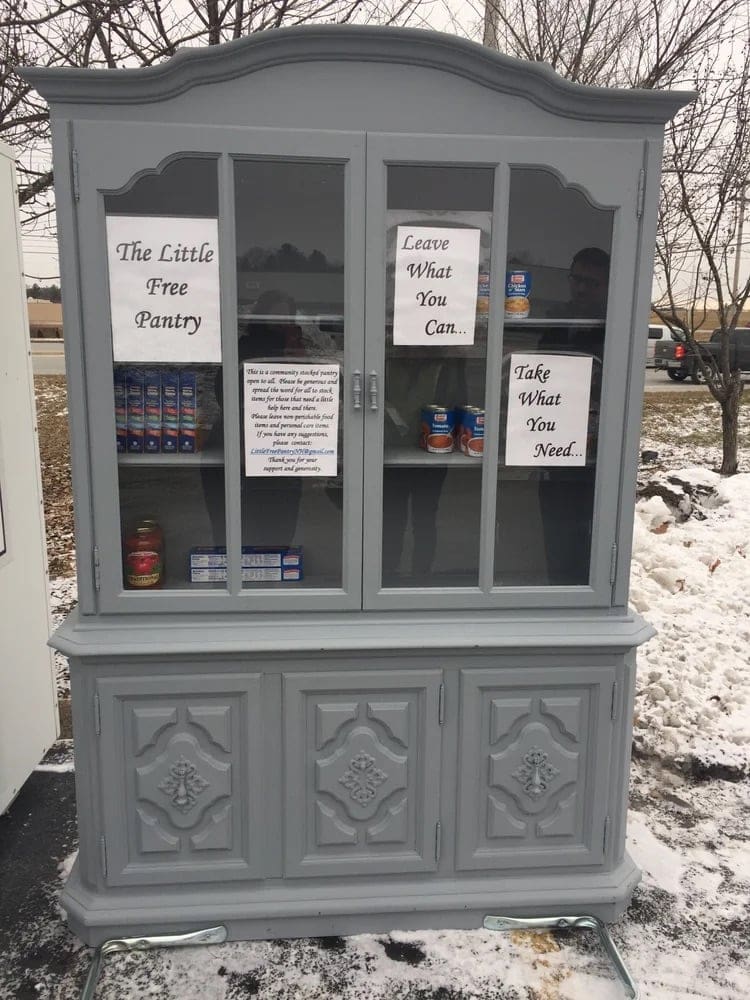
- Upcycled hutches or small outdoor cabinets: If you’re going for curb appeal, an old hutch or garden cabinet with shelves can be transformed into a charming, functional pantry with a fresh coat of paint and a clear sign.
- Custom-built wooden boxes: If you’re handy (or know someone who is), you can build one from scratch using plywood or reclaimed wood. Add a shingled roof or slanted top to keep rain out, and consider plexiglass doors so contents are visible.
Pro Tip: No matter what you use, the key is stability and accessibility—your pantry should be easy to open, high enough to stay dry, and sturdy enough to stand up to wind or curious raccoons. Make sure your pantry is off the ground, securely anchored, and located somewhere easy to access but sheltered from rain and direct sun. Adding a latch, magnetic closure, or plexiglass door can go a long way toward keeping everything safe and dry.
How We Built Our Little Free Pantry—Materials & Method
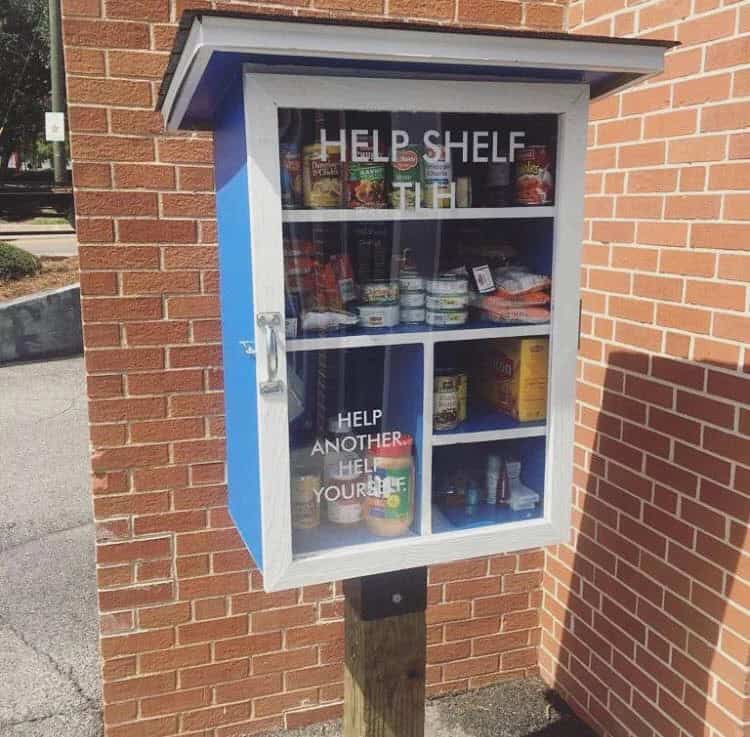
There’s no one right way to build your pantry box. This is just what we did:
- House Piece - This little guy is surprisingly spacious and sturdy. We painted the outside with white roofing paint to make it waterproof and weather-proof. (A small sample-size container was all we needed, which ran about $8.)
- Pressure Treated 4x4 & Pocket Screws - Joe used one large 4x4 that we got for $18. He cut off pieces to make an “H” on the bottom of the box which he then drilled to the longer piece we used as the pole.
- Cinder Block, Concrete & Gravel - Our front yard has a steep slope, so we wanted to make sure the base was very sturdy. Joe dug a 2-foot hole, placed a cinder block at the bottom (using one hole to help him stand the post upright), poured in 6 inches of gravel, and then filled the rest of the hole with quick-drying concrete, using a level to make sure it was straight. Here’s what that looks like in practice, minus the cinder block.
Mind Utilities & Local Rules! Before digging posts or anchoring your pantry, call your local utility locator (usually 811 in the U.S.) to make sure you won’t hit underground lines. If you live in a neighborhood with a homeowners association, check their rules before installing to avoid any surprises.
Where to Place It
Location is everything when it comes to a Little Free Pantry. You want your setup to be safe, visible, and accessible to the people who might need it most.
- High visibility = high impact. Place your pantry somewhere people naturally walk by—like near a sidewalk, school, park, community garden, or library. The more visible it is, the more likely it’ll get used and restocked. Our driveway is a school bus drop-off point, so we have it set up a few feet from the mailbox.
- Keep it accessible. Make sure it’s easy to reach from the sidewalk, with solid footing year-round. Try to keep it at a comfortable height and ensure there’s space for anyone using a wheelchair, walker, or stroller.
- Safety first. Choose a spot that’s well-lit and visible from nearby homes or businesses to discourage vandalism and make visitors feel welcome at any hour.
- Check permissions. If you don’t own the property, get permission from whoever does—a homeowner, church, business, or local government. Most are happy to support once they understand the purpose.
What to Stock in a Little Free Pantry (and What Not To)
A Little Free Pantry works best when it’s stocked thoughtfully with a balance of nutrition, variety, and practicality. Think of it as curating a mini community grocery shelf, full of things you’d genuinely want to eat or use.
Food Items
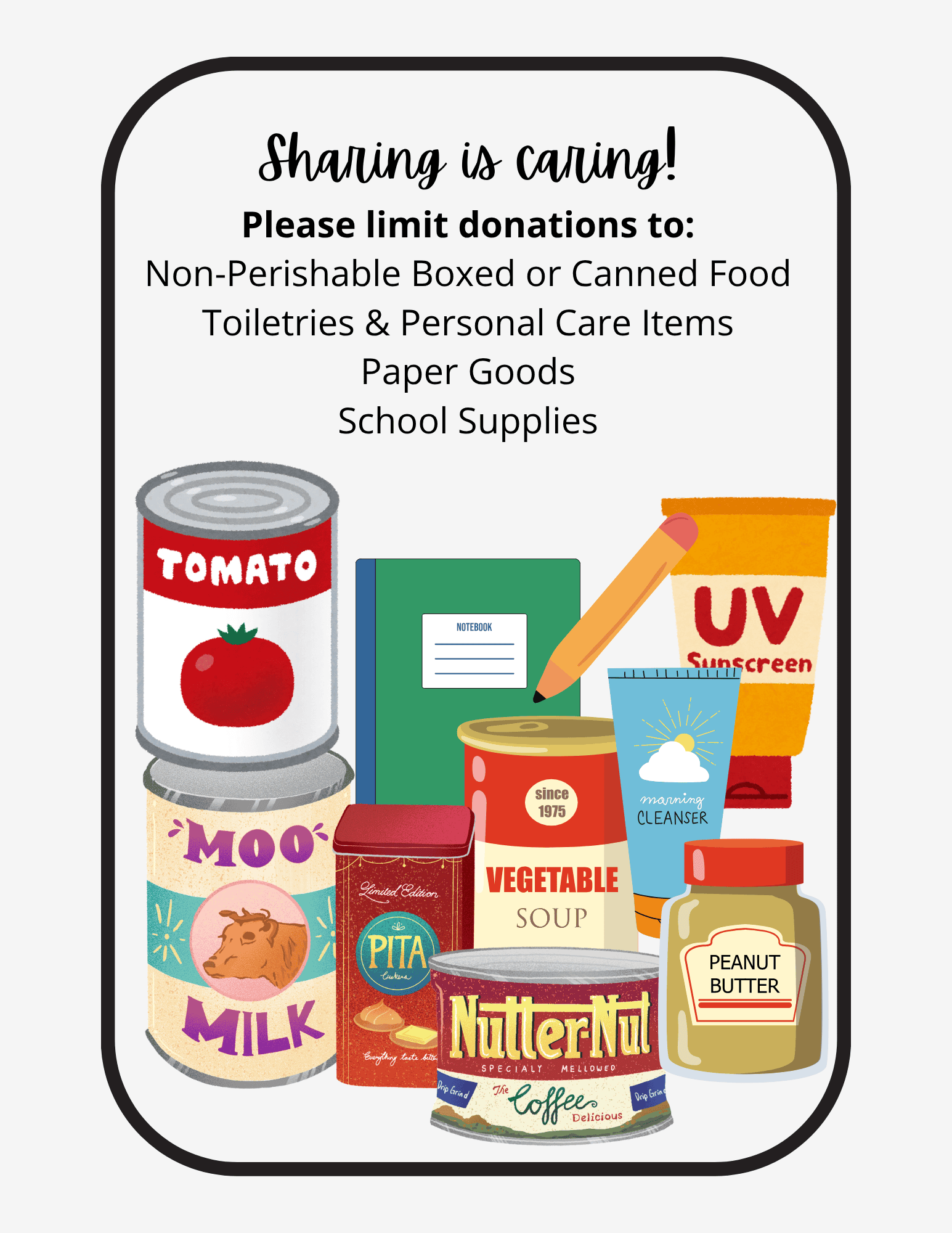
Stick with shelf-stable foods, but be choosy about packaging. Avoid cardboard boxes that don’t also have an inner plastic bag—nobody wants to open a box of pasta and find weevils. Canned goods, jars, and sealed bags are best. And please, no expired or opened items!
Focus on high-protein, high-value items that stretch budgets: canned meats, beans, shelf-stable milk, rice, pasta, and peanut butter. Not sure where to start? Buy extras of what you already use, like:
- Canned staples: beans, chili, veggies, soups, stews, fruit packed in juice, tuna, chicken, and Spam.
- Grains & bases: dried beans, lentils, rice, pasta (bonus points for fun shapes or seasonal themes), and baking mixes. If anything comes in a box, pop it inside a zip-top bag as added protection.
- Flavor builders: bouillon, broth, spices, seasoning packets, pickles or small bottles of shelf-stable condiments.
- Snack & comfort foods: peanut butter and jelly, microwave popcorn, protein or granola bars, instant oatmeal, instant ramen, mac & cheese cups, dried fruit, and trail mix.
- Meal “kits”: pair pasta with sauce or dried beans with chili seasoning packets—anything to help make it easy.
- Shelf-stable drinks: juice boxes, shelf-stable milk, coffee, tea, hot chocolate packets, dried drink or electrolyte packets.
- Baby formula & food: don’t forget about the littlest among us.
- Consider seasonal items around the holidays: like canned pumpkin, evaporated milk, and stuffing mix around Thanksgiving.
Beyond Food
A truly helpful pantry goes beyond the dinner table.
- Animal supplies: unopened tins or bags of pet food, cat litter, and treats—furry family members count, too.
- Toiletries: toilet paper, soap, shampoo, conditioner, toothbrushes, toothpaste, floss, pads, tampons, liners, diapers, deodorant, lotion, hand sanitizer, bandages, and OTC medicines. Around the holidays, small self-care items like sheet masks, lip gloss, or nail stickers can feel extra special.
- School supplies: pens, pencils (and sharpeners!), lined or graph paper, notebooks, folders, and pencil cases. These are especially appreciated at back-to-school time.
- Seeds: packets of edible plant seeds—herbs, lettuce, or tomatoes—help neighbors grow their own food in the warmer months.
What Not To Stock
- Perishables like fresh dairy, meat, or produce (they spoil too quickly).
- Homemade or unsealed foods (for safety reasons).
- Alcohol, tobacco, or prescription medications.
- Seasonal considerations: don’t stock things that can melt in the summer (e.g. chocolate or fruit snacks) or that can explode in the winter (e.g. glass jars of soup, cans of soda).
When in doubt, stock what you’d want if you were in a pinch—and remember, dignity matters as much as calories. Choose quality items, check expiration dates, and aim for a mix of everyday staples and small comforts.
How to Maintain & Restock Your Little Free Pantry
Maintaining a Little Free Pantry doesn’t take much—just heart, habit, and a few extra minutes each week. The goal isn’t perfection, it’s consistency. A few small, regular check-ins can make a huge difference in keeping your pantry welcoming and useful to everyone who relies on it.
- Check it regularly. Visit your pantry every few days (or at least weekly) to tidy up, remove expired or damaged items, and reorganize the shelves. If you’re going out of town, ask a friend, neighbor, or local group to “adopt” it for a bit.
- Rotate items. Keep newer donations in the back and older items up front so nothing goes to waste. Check for pests, dampness, or rusted cans, especially after rainy weather.
- Restock thoughtfully. Whenever you’re grocery shopping, toss an extra jar of pasta sauce or box of mac & cheese in your cart for the pantry. Encourage friends to do the same—it adds up fast. You can also set up a donation bin at work, school, or your place of worship to collect items from others.
- Keep it clean. Wipe down shelves periodically, sweep the area, and make sure the door or lid still closes tightly to keep out critters and moisture.
- Build community. Post updates or photos on local Facebook or Nextdoor groups to let people know when the pantry could use a refill (or when it’s brimming and ready for sharing). The more people who know it’s there, the more sustainable it becomes.
- Add seasonal touches. Think summer bug spray and sunscreen, winter hand warmers and soup kits, or small festive treats around the holidays. These thoughtful details remind your neighbors that someone cares.
How to Decorate a Little Free Pantry
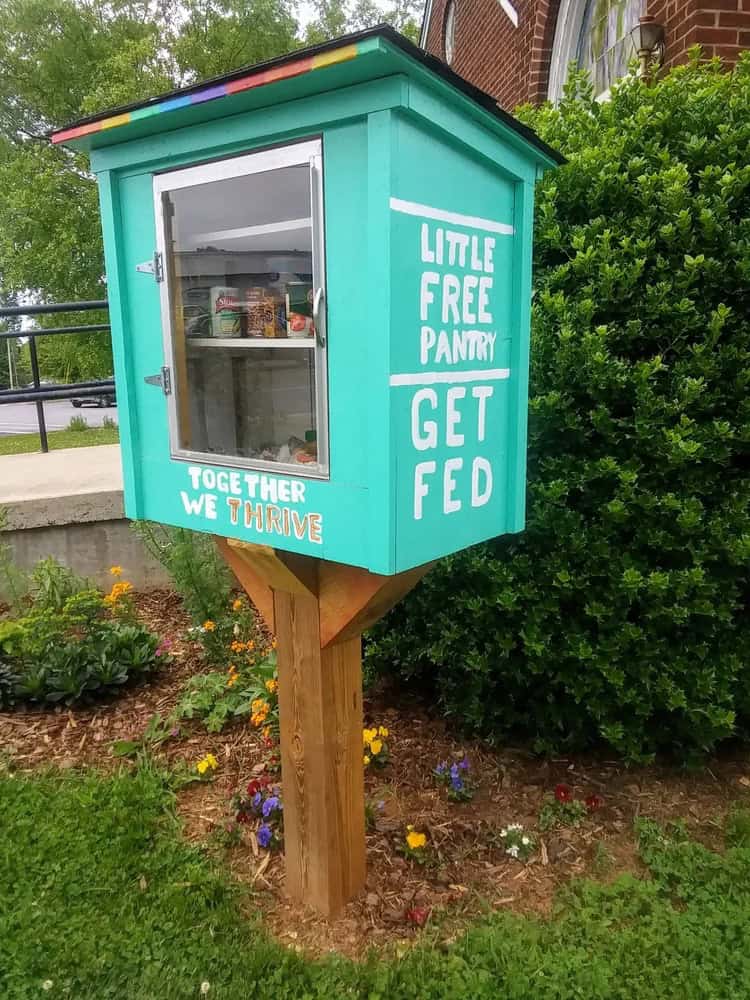
A well-decorated pantry invites people to engage with it, helps communicate what it’s for, and adds a little joy to your block.
Start with the basics.
Every pantry should clearly say what it is and how it works. Include short, friendly instructions like:
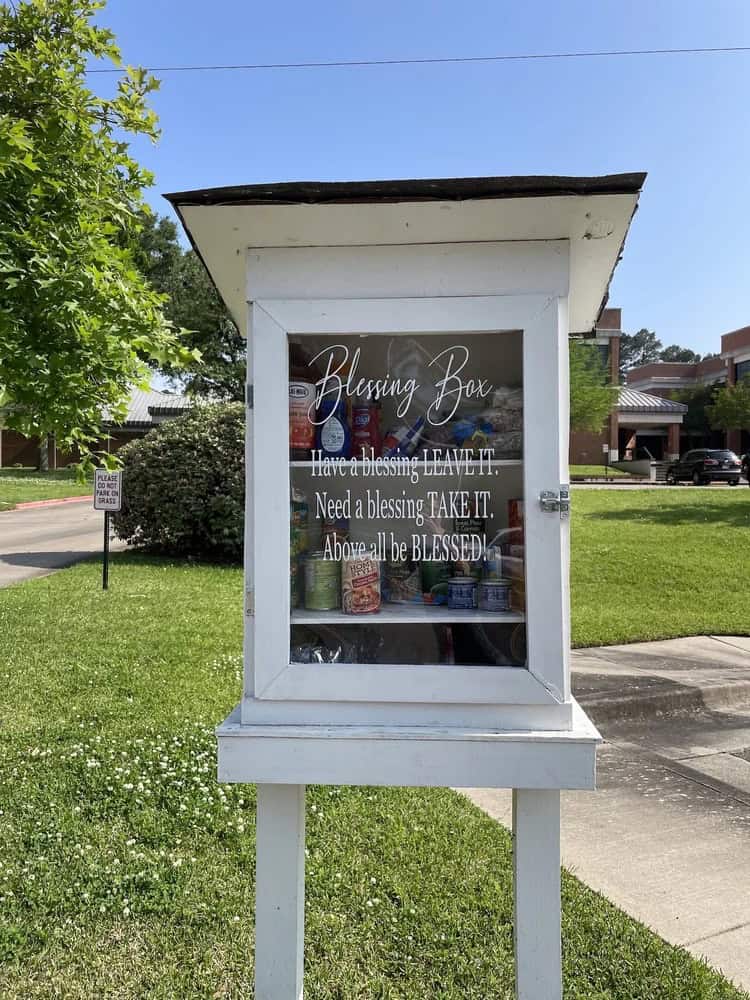
- “Take what you need. Leave what you can.”
- “Non-perishables, toiletries, school supplies welcome.”
If you live in a multilingual neighborhood, consider adding a bilingual invitation. Try something simple like “Free Food, Comida Gratis” or “Take what you need, Toma lo que necessitas.”
Add information & connection.
- Donation guide: List what’s most helpful to give (e.g., canned goods, toiletries, school supplies) and what’s best to avoid (like perishables or open packages).
- Contact or QR code: Add a QR code that links to a simple online form, letting people make anonymous or specific requests. This kind of feedback loop helps you and your neighbors tailor donations to your community’s real needs. For example:
- “Need help celebrating a birthday? We can add cake mix, frosting, or balloons!”
- “Tell us if your kids are missing school supplies.”
- “Feeling under the weather? We’ll try to stock cold meds or soup.”
Make it personal and weatherproof.
There are lots of ways to label and decorate your pantry:
- Paint pens: Great for drawing directly on wood, plexi-glass or metal. Easy to update later if you want to change your message.
- Printable decals or transfer paper: Perfect for creating clean, professional-looking signs.
- Stickers or Cricut lettering: Vinyl decals hold up beautifully outdoors, and you can cut custom shapes or icons (hearts, food, flowers, etc.).
- Seasonal or changeable displays: If you’re crafty, make your design adaptable—paint pens can be scratched off and redone, or you can use cling film or clear acetate held down with photo-frame-style turny knobs to swap seasonal art or messages.
- A few bonus ideas:
- Paint it in your neighborhood or school colors to make it feel local.
- Add small decorations like solar lights, weatherproof flowers, or a chalkboard for notes of encouragement.
- Seal all paint and lettering with a clear outdoor finish to help it withstand the elements.
Why You Should Build A Little Free Pantry
Now that you have the basic idea of what a Little Free Pantry is, let’s talk about why they’re needed. Food is a basic human right, but 1 out of 8 Americans doesn’t know where their next meal is coming from. That is why we have the program known as SNAP—Supplemental Nutrition Assistance Program, a.k.a. food stamps.
The program is meager and deeply flawed, with an estimated 14-20 million people who are eligible not participating due to ridiculously complex applications and burdensome paperwork requirements. And, with the current government shutdown, the 42 million Americans who are on SNAP are currently experiencing distribution delays with Thanksgiving around the corner.
Worse, many are quick to demonize SNAP recipients—whether it’s perpetuating the myth that “they just need to get a job” or judging someone’s cart contents for being “too fancy” or “all junk food,” they’re made to feel less than. We as a society should be ashamed. Everyone deserves to eat with dignity. I will die on this hill.
Dispelling SNAP Myths
Let’s get some things straight. A full 39% of SNAP recipients are children—11% under 5 years old, 28% school-aged—while 19% are elderly. Only 17% of recipients are working-age adults with no disabilities—and of these, 87% work at least part time. Nearly ¾ are living below the federal poverty line, with ⅓ make less than $10,000 a year for a 2-person household.
Meanwhile, grocery prices continue to rise, we have a weak job market, and minimum wage hasn’t budged since 2009—when a dollar had 51 cents more purchasing power than it does today. And, the average SNAP payout is $190/month per person. That equates to about $6 per day, or $2 per meal.
As a taxpayer living in the most wealthy country in the world to ever exist, I’m thrilled for my contributions go toward improving the lives of our most vulnerable citizens. And, when you break down the math, the average household’s taxes pay more than DOUBLE for corporate subsidies and tax breaks than they do SNAP.
Furthermore, giant corporations like Walmart, Amazon, and McDonald’s consistently have the highest proportion of employees who are eligible for SNAP. It’s not all that shocking when you consider Walmart’s CEO makes 930X more than the median worker, McDonald’s CEO makes 1014X more, and Amazon’s CEO makes a whopping 1925X more.
The problem here isn’t the vulnerable group of Americans who need help. The problem is unabashed corporate greed. Walmart’s workers receive $900 million in SNAP benefits in a year. That means we as taxpayers are subsidizing Walmart to the tune of nearly a billion dollars a year because they don’t pay living wages.
So, who is the real “Welfare Queen” in this scenario? Spoiler alert: it’s not the people getting $6/day in food aid.
Other Ways to Help People on SNAP During a Shutdown
Even a short delay in benefits can make it tough for families to buy groceries, especially with food prices what they are. Little Free Pantries can help fill some of those gaps, but there are plenty of other ways to step up for your neighbors.
- Offer gift cards or “community credits.” If your budget allows, tuck in small grocery store or gas station gift cards ($5-$10 goes further than you think). Some local stores or farmers markets also let you pre-pay or donate “community credits” for others to use at checkout—ask your local market if they offer something similar.
- Support local food banks and community fridges. These programs often see a surge in demand during shutdowns. Donate directly or volunteer your time to help sort, stock, or deliver food. Feeding America, Food Finder, or Harvesters are a great place to start.
- Boost awareness in your networks. Use your voice (and social media) to remind others that SNAP benefits may be delayed or reduced. Share local food resources, community meal schedules, and pantry locations. Check local Facebook “Buy Nothing” groups or reach out to neighbors. You never know who in your circle might quietly need help.
- Partner with schools and local organizations. Reach out to local schools, churches, and community centers—they often know which families are struggling most.
- Create a mutual aid list or donation drive. Use Mutual Aid Hub to connect with local aid networks. Sometimes, help starts small—sharing meals with neighbors, organizing a grocery swap or meal train, or starting a Venmo fund among friends to restock local pantries. A little coordination can go a long way when official support is on pause.
- Delivery Programs: For those who can’t easily get to a food bank, Meals on Wheels continues to deliver nutritious meals directly to seniors and people with limited mobility. In addition, services like DoorDash, GoPuff, and Instacart are currently offering a limited number of free or discounted grocery and meal deliveries to SNAP recipients affected by the shutdown. Bobbie is also offering discounted baby formula for SNAP recipients.
- Focus on dignity and choice. Above all, remember that food insecurity isn’t about lack of effort—it’s about access. The most meaningful thing you can offer (besides food) is respect. Choose donations you’d be happy to receive yourself, and avoid anything expired or damaged.
Growing the Vision
What started as a single pantry in my front yard has turned into something much bigger. It’s a real-life example of community care that keeps growing with every can, kind word, and smile exchanged across that little wooden box. My hope is to keep building on that momentum, one small act at a time.
In a neighborhood without sidewalks, I’ve started imagining our pantry as the beginning of something even more connected: a whimsical edible landscape that invites neighbors (especially the kids waiting for the school bus out front) to “shop” the pantry and “forage” through herbs, berry bushes, maybe even a fruit tree or two.
The ultimate goal is community buy-in. The idea isn’t about any one person doing everything; it’s about each of us doing something that makes life a little easier and sweeter for someone else. Maybe that means a Little Free Library, a farm-fresh egg stand, a box of homemade baked goods, or just a friendly note reminding neighbors they’re seen and cared for.
So, if you can help someone—whether that’s offering a kind word, standing up for what’s right and protecting the vulnerable, running an errand for a tired neighbor, donating to a cause, mentoring a kid, or supporting a local business or band—you’re building a better world. Every act, no matter how small, is part of a snowball of love that only grows as it rolls forward.
A gentle reminder to my fellow people-pleasers: you don’t have to set yourself on fire to keep everyone else warm. It’s okay to rest. It’s okay to say no. It’s okay to have nothing left to give. Feeling empty, angry, or overwhelmed doesn’t make you weak—it makes you human. Life is heavy right now, but you’re not carrying it alone.
And when it’s you who needs help? That’s okay, too. Repeat after me: We all get tired. We all need help sometimes. That isn’t a flaw or a weakness. I promise you that people you’ll never meet want you to be happy, healthy, and well cared for. There are people who know the system is rigged and that it’s not your fault. I’m one of them.
Because at the end of the day, caring for each other shouldn’t be political. It’s human. We’re all in this together. Sending you all the love and hope for a better tomorrow.




michael says
do you have a design for the two door one or some blueprints that i may look at I'm trying to build my own, and i want to do a design based on the final picture thanks for helping.
Ash, The Grocery Addict says
Hi Michael,
So sorry for the late reply—my father recently passed away and I've been neglecting the blog while I get my life back in order. I don't have any blueprints unfortunately—my hubby bought me a "little free library" from Amazon that we painted and installed. That said, it looks like The Little Free Pantry website has some good options: https://www.littlefreepantry.org/resources-1